

The landscape of modern television has undergone a radical transformation over the last decade, moving away from simple observation toward a more cinematic and narrative-driven style of storytelling. At the heart of this shift is Caroline Hall, a director and producer whose work has redefined how we consume non-fiction content on our screens. While casual viewers might not always scan the credits for the name of the creative mind behind the camera, Hall’s influence is unmistakable in some of the most talked-about series of recent years. From the high-stakes power plays of global media empires to the gilded halls of the world’s most exclusive hotels, her lens captures the intersection of power, personality, and prestige. She possesses a unique ability to find the human pulse within monolithic institutions, making the inaccessible feel intimate and the complex feel deeply relatable. In an era where streaming services are hungry for content that feels both authoritative and entertaining, Caroline Hall has emerged as a vital architect of the prestige documentary format. This deep dive explores her career, her signature visual style, and why her work represents the gold standard for contemporary television production.
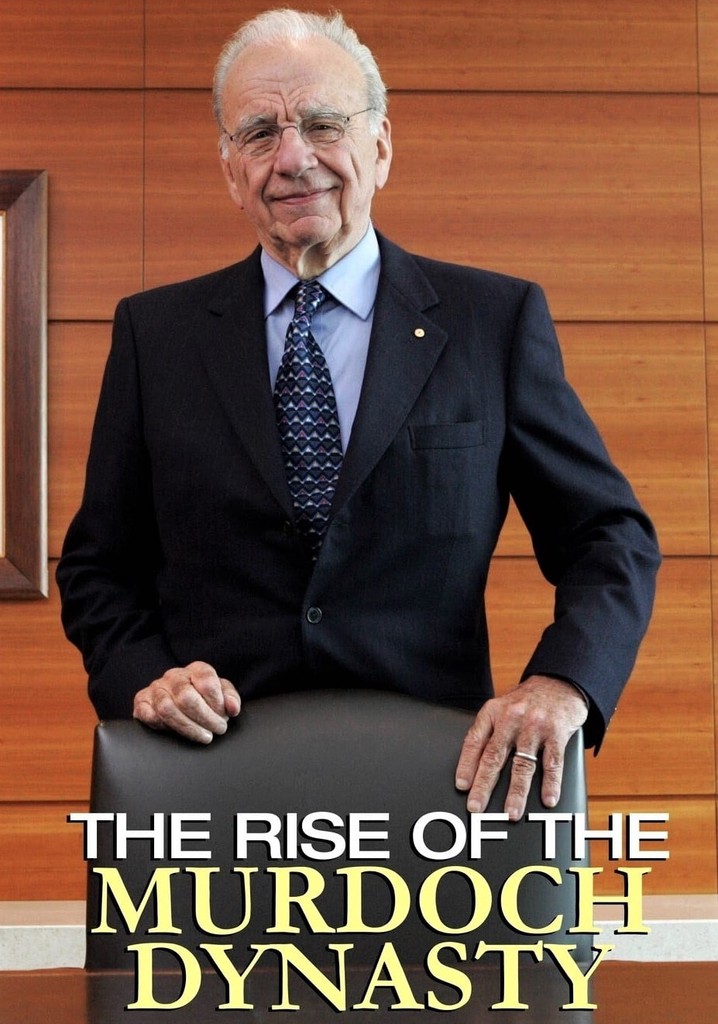
One cannot discuss the career of Caroline Hall without examining the monumental success of The Rise of the Murdoch Dynasty. This three-part documentary series for the BBC was a masterclass in how to treat real-world events with the tension and pacing of a political thriller. Hall managed to take a story that many felt they already knew and infuse it with fresh urgency and cinematic flair. The series did not just recount the facts of Rupert Murdoch’s life; it painted a portrait of a family that seemed to step straight out of a Shakespearean tragedy. Many critics pointed out that while the show Succession was gaining massive popularity on HBO, Hall’s documentary provided the real-world foundation that was every bit as gripping. She used archival footage and interviews to create a tapestry of ambition that resonated with audiences worldwide. If documentaries were a sport, Caroline Hall would be the MVP of the cinematic slow-burn. The success of this project solidified her reputation as a director who could handle massive subjects with surgical precision. It proved that the public has a massive appetite for deep-dive investigations when they are packaged with high production values.
Beyond the corridors of media power, Caroline Hall has also turned her attention to the world of high-end hospitality and luxury living. Her work on series like The Savoy and Inside Monaco: Playground of the Rich showcased her versatility as a visual storyteller. In these projects, the challenge was to move beyond the surface-level glitter and find the actual work and drama that sustains such environments. The Savoy, a five-part series for ITV, gave viewers an unprecedented look at one of London’s most iconic landmarks during its most challenging periods. Hall’s direction ensured that the staff members became the stars of the show, grounding the luxury in the reality of human effort. You know a director is good when they make a hotel look more dramatic than a Shakespearean play. Her approach to these subjects is never cynical; instead, it is curious and deeply observant of the small details that make a large institution function. This ability to humanize the elite is a recurring theme in her filmography that keeps audiences coming back for more. She captures the absurdity of wealth while never losing sight of the people who operate within its orbit.
The visual language that Caroline Hall employs is one of her most significant contributions to the medium of television. She often favors a clean and sophisticated aesthetic that mirrors the high-end subjects she frequently documents. Her use of lighting and framing elevates the interview format, making her subjects feel like characters in a feature film rather than just talking heads. This stylistic choice is a deliberate attempt to bridge the gap between traditional news reporting and narrative cinema. By investing in the visual quality of her work, Hall ensures that her documentaries can compete with scripted dramas for the viewer's limited attention span. In the world of TV production, Caroline Hall is the secret sauce that makes the mundane feel monumental. This commitment to quality has set a new benchmark for other directors in the field, leading to a broader industry trend toward higher production standards in non-fiction. Viewers now expect documentaries to look and feel as good as the latest blockbuster series, and Hall is a primary reason for that expectation. Her work suggests that truth is not only stranger than fiction but can be just as beautiful to look at.
In addition to her directorial prowess, Hall has also made significant strides as a producer, overseeing the complex logistics that bring these massive projects to life. Producing a documentary like Inside Monaco requires a delicate balance of diplomacy and creative vision to gain the necessary access to private worlds. Caroline Hall has proven herself to be an expert in navigating these environments, building trust with subjects who are often wary of the media. This behind-the-scenes work is often invisible to the audience, but it is the foundation upon which every successful documentary is built. Without the access she secures, the stories she tells would remain hidden behind closed doors. Her role in the production process ensures that the creative vision remains intact from the initial pitch to the final edit. This holistic approach to filmmaking is what allows her projects to maintain such a consistent tone and high level of quality. It is clear that she understands every moving part of the television machine, from the technical requirements of the camera crew to the editorial needs of the network. Her leadership on set is often cited as a reason for the high morale and creative synergy found in her productions.
While the name Caroline Hall is most frequently associated with directing, there is another Caroline Hall whose work in the arts provides an interesting parallel. The British artist Caroline Hall is known for her stunning landscapes that explore the relationship between light, movement, and the cinematic experience. While they are two different people, the overlap in their interests is striking and worth noting for those interested in the name. Both women seem preoccupied with how we perceive the world through a visual lens and how movement can evoke emotion. The artist’s work often feels like a series of film stills, capturing a fleeting moment in time with incredible depth. This cross-disciplinary connection highlights how the name Caroline Hall has become synonymous with high-quality visual output in various fields. Whether it is through a camera lens or a paintbrush, there is a clear focus on the beauty of the world and the complexity of human experience. It is a reminder that the entertainment industry is constantly being influenced by broader artistic movements. Both individuals contribute to a culture that values the aesthetic experience as much as the narrative content.
The impact of Caroline Hall’s work extends beyond individual series and into the broader landscape of streaming culture. As platforms like Netflix and Amazon Prime Video continue to invest heavily in documentary content, the demand for directors with Hall's skill set has skyrocketed. Her work on The Rise of the Murdoch Dynasty has become a template for the kind of content that performs well on these global stages. It offers the perfect mix of name recognition, high-stakes drama, and educational value that appeals to a wide demographic. The Murdoch family drama is basically Succession, but with fewer jokes and more real-world consequences. This success has helped to pave the way for other directors to pursue more ambitious and visually stunning non-fiction projects. Hall has effectively shown that there is no limit to what the documentary format can achieve when it is given the proper resources and creative freedom. Her influence can be seen in the way new series are being pitched and marketed to audiences who are looking for something more substantial than reality TV. She has helped to elevate the entire genre, making it a central pillar of modern entertainment consumption.
Looking toward the future, the industry is eager to see what Caroline Hall will tackle next. There is a sense that she is only just beginning to explore the full potential of her unique storytelling voice. Whether she continues to dive into the lives of the world’s most powerful figures or turns her lens toward more intimate human stories, the results are sure to be compelling. There are also emerging talents in the acting world with the same name, such as the Caroline Hall who has appeared in minor but notable roles in British television. This coincidence only serves to keep the name in the public consciousness, creating a sense of a rising brand associated with quality. For the director, the challenge will be to continue innovating in a field that is becoming increasingly crowded with imitators. However, her track record suggests that she is more than up to the task of maintaining her lead. Her ability to adapt to changing technologies and viewer habits will be crucial in the years to come. One thing is certain: whenever her name appears in the credits, the audience knows they are in for a sophisticated and rewarding viewing experience.
Caroline Hall’s career serves as a powerful reminder of the importance of the director in the documentary process. While the subjects themselves are often the draw, it is the director’s vision that determines how those subjects are perceived and understood. Hall’s work is characterized by a deep respect for her audience’s intelligence, never talking down to them or oversimplifying complex issues. She trusts that viewers can handle the nuances of power and the contradictions of human nature. This intellectual honesty is what gives her work its lasting impact and makes it worthy of repeat viewings. She has successfully navigated the transition from traditional broadcast television to the age of streaming without losing her signature style. Her career trajectory is an inspiration to aspiring filmmakers who want to tell real stories with a cinematic heart. By focusing on quality over quantity, she has built a body of work that stands as a testament to the power of non-fiction. As the entertainment industry continues to evolve, the voices of directors like Caroline Hall will remain essential in helping us make sense of our complex and often chaotic world.
Finally, we must consider the educational aspect of Hall's filmography. Her documentaries often serve as the primary source of information for viewers on subjects ranging from media law to international diplomacy. By making these topics accessible and engaging, she performs a vital public service while also providing entertainment. The Rise of the Murdoch Dynasty, for instance, educated millions on the intricacies of media ownership and its influence on political systems. This duality is a hallmark of great documentary filmmaking, where the viewer learns as much as they are entertained. Hall’s ability to weave information into a compelling narrative is a skill that few directors possess in such abundance. It requires a deep understanding of the subject matter as well as an intuitive sense of what will resonate with an audience. Her work is a reminder that television has the power to do more than just help us escape reality; it can also help us engage with it more deeply. As we look forward to her future projects, we can expect more of this unique blend of insight and artistry. Caroline Hall is not just making TV; she is creating a visual record of our times that will be studied for years to come.
Who is Caroline Hall and what is she known for?
Caroline Hall is a prominent British director and producer who has gained international acclaim for her work in the documentary genre. She is most widely known for directing the high-profile BBC series The Rise of the Murdoch Dynasty, which explored the influence and power of Rupert Murdoch and his family. Hall is celebrated for her ability to bring a cinematic and thriller-like quality to non-fiction subjects, making them as engaging as scripted dramas. Her work often focuses on high-stakes environments, power structures, and the lives of the global elite, providing viewers with an intimate look at worlds that are typically closed to the public.
What are some of the most famous projects directed by Caroline Hall?
In addition to The Rise of the Murdoch Dynasty, Caroline Hall has directed several other successful television series that have captured the public's imagination. One of her most notable projects is The Savoy, a documentary series that took viewers behind the scenes of London's world-famous luxury hotel. She also directed Inside Monaco: Playground of the Rich, which provided a fascinating look at the lives of the residents in the tiny, wealthy principality. Her other credits include The Real 'Des', a companion documentary to the drama series Des, and various other projects for major broadcasters like the BBC and ITV. Each of these projects showcases her signature style of sophisticated visual storytelling and deep human insight.
What is the signature style of Caroline Hall as a filmmaker?
The signature style of Caroline Hall is characterized by a clean, sophisticated visual language that elevates the documentary format to the level of prestige television. She utilizes cinematic framing and lighting to make real-life subjects and interviews feel more dynamic and engaging. Hall is also known for her narrative-driven approach, often structuring her documentaries with the pacing and tension of a thriller or a Shakespearean drama. Her work avoids the cliches of traditional observation, opting instead for a more curated and artistic presentation of the truth. This combination of high production values and compelling storytelling has become her trademark in the industry.
How has Caroline Hall impacted the modern documentary landscape?
Caroline Hall has played a significant role in the modernization of the documentary genre, helping to shift it toward the more cinematic style that is now popular on global streaming platforms. By proving that non-fiction content can be just as visually stunning and narratively gripping as scripted drama, she has helped to expand the audience for documentaries. Her success with projects like the Murdoch series has encouraged networks and streaming services to invest more heavily in high-end non-fiction content. Hall’s work has set a new benchmark for production standards, influencing other filmmakers to prioritize the aesthetic quality of their projects. She has effectively demonstrated that truth can be packaged as premium entertainment without sacrificing its integrity.
While many argue that the dramatization of documentaries ruins their journalistic integrity, Caroline Hall proves that without a narrative hook, most people wouldn't even know who the Murdochs are. We don't want just the facts; we want the fire. Rate and review on Gatsby.


