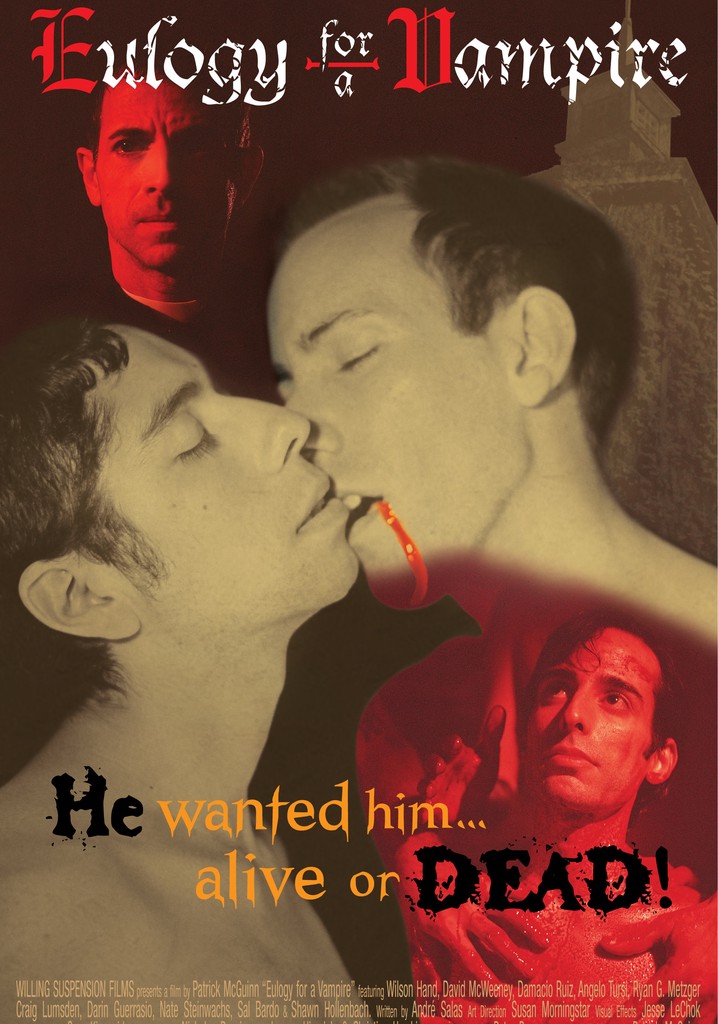


Eulogy for a Vampire stands as one of the most visually stunning and emotionally devastating entries in vampire cinema. This 2009 art house horror film abandons the conventions of mainstream vampire stories to deliver something darker, more sensual, and profoundly unsettling. Shot in lush black and white with silent film aesthetics, the movie transforms the vampire myth into a meditation on desire, mortality, and the price of immortality. It's not your typical vampire movie, and that's exactly what makes it essential viewing for horror fans tired of sparkling bloodsuckers.
Background & Context
Vampire films have been a staple in world cinema since the era of silent films, establishing a rich tradition that shapes how audiences perceive these immortal creatures. The depiction of vampires in popular culture is strongly based upon their portrayal in films throughout the years. Bram Stoker's 1897 novel Dracula has inspired over 170 film adaptations, making it the most adapted source material for vampire cinema. Sheridan Le Fanu's 1872 novel Carmilla runs a distant second in adaptations, though it introduced vital themes of female vampirism and sapphic desire that influenced countless films.
Eulogy for a Vampire emerged during a period when vampire cinema was dominated by romantic teen fantasies and action-heavy blockbusters. While mainstream audiences flocked to films featuring brooding vampires caught in love triangles, this film looked backward to the silent era for inspiration. The production deliberately mimicked the visual language of early horror cinema, using techniques like hand-cranked cameras, iris shots, and expressionistic lighting to create an atmosphere that feels simultaneously ancient and timeless.
Art house horror as a sub-genre explores and experiments with the artistic uses of horror, prioritizing aesthetic innovation and thematic depth over conventional scares. Eulogy for a Vampire fits squarely within this tradition, treating vampire mythology as a framework for exploring complex emotional and philosophical territory. The film draws inspiration from European art cinema, particularly the work of directors who blended eroticism with horror in the 1960s and 1970s.
The film's production represents a bold rejection of modern horror filmmaking trends. Instead of CGI effects and jump scares, it employs practical cinematography techniques and relies on atmosphere to generate dread. The decision to shoot in black and white was both aesthetic and thematic. By stripping away color, the filmmakers force viewers to focus on composition, light, shadow, and the actors' physicality. This approach connects the film to the earliest vampire movies while creating something distinctly contemporary in its themes and sensibilities.
Director Guy Maddin, known for his fascination with lost silent-era films and incorporating their aesthetics into his own work, served as a spiritual predecessor to this type of experimental vampire cinema. While not directed by Maddin, Eulogy for a Vampire clearly shares his passion for reclaiming and reimagining silent film techniques for modern audiences. The film exists in conversation with both the history of vampire cinema and the broader tradition of experimental horror filmmaking.
Plot & Storylines
The narrative follows a newly turned vampire who awakens to her transformed existence in a decaying European castle. Her maker, an ancient vampire weary of immortality, has chosen her as both companion and student. The film unfolds as a series of tableaux rather than following traditional plot structure. We witness the new vampire's education in the ways of the night, learning to hunt, to seduce, and to accept the terrible isolation that defines vampire existence.
Central to the story is the relationship between the two vampires, which oscillates between maternal tenderness and erotic obsession. The elder vampire teaches through demonstration and ritual, taking her progeny through moonlit forests to abandoned villages where they prey on wandering travelers. These hunting sequences unfold with balletic grace, emphasizing the predatory beauty of vampires rather than graphic violence. The film treats feeding not as horror but as sacrament, a necessary communion that binds the vampires to their cursed existence.
Interwoven with the present-day narrative are flashbacks to the new vampire's mortal life. We see glimpses of the woman she was before transformation. A life of poverty, abuse, and desperation. The vampire who sired her watched from the shadows for months before approaching, seeing in this suffering woman a kindred spirit worthy of the dark gift. These flashbacks provide emotional context for why the protagonist accepts her new existence, however terrible it may be. Immortality offers escape from a mortal life that held only more suffering.
The relationship between maker and progeny grows increasingly complex as the film progresses. What begins as mentorship evolves into possessive obsession. The elder vampire cannot bear the thought of spending eternity alone again and grows jealous when her creation shows interest in hunting independently. This dynamic creates the film's central tension, not between vampires and humans, but between two immortals struggling to define their eternal bond. Love and control become indistinguishable.
The climax arrives when the new vampire must choose between eternal companionship and individual freedom. The elder vampire, in her desperation, attempts to bind them together through an ancient ritual that would merge their essences. The final act becomes a gothic nightmare of desire and desperation, culminating in an ambiguous ending that refuses easy resolution. The film concludes with the new vampire alone, facing the endless centuries ahead with neither companion nor guide, having gained freedom at the cost of connection.
Cast & Production
The film features primarily unknown actresses in the lead roles, a deliberate choice that enhances the timeless, fable-like quality of the narrative. The actress portraying the elder vampire brings centuries of weariness to every gesture and glance. Her performance is remarkably physical, using body language and facial expressions to convey complex emotions in the absence of dialogue. The new vampire's performer moves from fragile uncertainty to predatory confidence across the runtime, charting her transformation through subtle shifts in posture and gaze.
Shot entirely on location in Romania, the production took advantage of authentic medieval architecture and unspoiled forests to create its gothic atmosphere. The castle locations feature genuinely crumbling stone walls, shadowy corridors, and decrepit grandeur that no studio set could replicate. Filming occurred primarily at night or during twilight hours, using natural light sources augmented by carefully placed lanterns and candles. This commitment to practical lighting gives every frame a painterly quality.
The cinematography employs techniques from silent cinema including soft focus, vignetting, and dramatic chiaroscuro lighting. The camera movements are deliberate and graceful, often tracking slowly through spaces or holding on tableaux for extended periods. Iris shots transition between scenes, a technique borrowed directly from silent film grammar. The frame rate occasionally varies to create dreamlike or nightmarish effects, making certain sequences feel both familiar and uncanny.
Costume design draws from multiple historical periods, creating a sense of timelessness. The vampires wear flowing gowns that suggest medieval, Victorian, and Edwardian influences simultaneously. The fabrics appear heavy and textured even in black and white, and the costumes emphasize the vampires' otherworldly beauty while suggesting their connection to death and decay. Hair and makeup are similarly theatrical, with pale complexions, darkened eyes, and lips that appear black in the monochrome photography.
The film's score blends chamber music with atonal experimental composition. Long passages play without any musical accompaniment, allowing ambient sound to dominate. When music does appear, it heightens emotional moments rather than dictating them. The sound design emphasizes environmental elements like wind, rustling leaves, and distant animal cries. The vampires move in near-silence, their footsteps barely audible, which makes the occasional sound they do make carry tremendous weight.
Reception & Impact
Eulogy for a Vampire premiered at film festivals specializing in experimental and art house horror. Critical response was polarized, with some reviewers praising its visual artistry and others finding its pacing glacial and its narrative opaque. The film's explicit sexuality and unflinching portrayal of predatory behavior disturbed some viewers while attracting others seeking transgressive horror. Festival audiences responded more enthusiastically than mainstream critics, recognizing the film's dialogue with silent cinema history.
The film found its core audience among viewers interested in the intersection of art cinema and horror. It has been championed by critics who appreciate slow cinema and films that prioritize atmosphere over narrative momentum. Academic analysis has focused on the film's gender dynamics, its representation of queer desire, and its relationship to silent film aesthetics. The film frequently appears in discussions of vampire cinema that breaks from conventional storytelling.
Within the vampire film canon, Eulogy for a Vampire occupies a niche position alongside other art house entries like The Addiction and Nadja. These films treat vampirism as metaphor and philosophy rather than straightforward horror or romance. The film's influence can be traced in subsequent vampire films that embrace minimalism, silence, and visual poetry. It demonstrated that vampire cinema still had unexplored artistic territory despite the genre's century-long history.
The film's limited theatrical release and lack of mainstream distribution prevented it from achieving commercial success. However, it has developed a devoted cult following through festival screenings, specialty streaming platforms, and physical media releases. The boutique Blu-ray release includes extensive commentary and essays that contextualize the film within vampire cinema history and experimental film traditions. These supplementary materials have helped the film find audiences who might otherwise never encounter it.
Discussions of the film often center on its uncompromising artistic vision and its refusal to make concessions to conventional storytelling. Some viewers consider it pretentious and inaccessible, while others regard it as a masterpiece of visual storytelling that transcends dialogue. The film has inspired other filmmakers working in the art house horror space to embrace silence, visual experimentation, and challenging subject matter. Its legacy lies in demonstrating that vampire cinema can still surprise and provoke when freed from commercial constraints.
FAQ
Is Eulogy for a Vampire a silent film?
While not technically silent, the film features minimal dialogue and uses many silent film techniques. The sparse spoken words appear as intertitles in some versions, while other cuts include whispered dialogue. The film prioritizes visual storytelling over verbal exposition, making it function much like a silent film despite being made in 2009.
Why is the film shot in black and white?
The black and white cinematography serves multiple purposes. It connects the film to silent-era vampire cinema, creates stark visual contrasts that enhance the gothic atmosphere, and forces viewers to focus on composition and performance rather than surface details. The monochrome palette also gives the film a timeless quality that makes it feel simultaneously period and contemporary.
Is Eulogy for a Vampire appropriate for mainstream horror fans?
The film appeals primarily to viewers who appreciate art house cinema and experimental horror. Its slow pacing, minimal dialogue, and emphasis on atmosphere over action will frustrate audiences expecting conventional horror thrills. However, fans of atmospheric horror and gothic romance who are willing to engage with challenging cinema will find it rewarding.
What is the film's relationship to LGBTQ+ themes?
The central relationship between the two female vampires contains clear sapphic themes, exploring desire, possession, and intimacy between women. The film has been analyzed within queer cinema contexts for its portrayal of same-sex desire outside heteronormative frameworks. The vampire mythology serves as a lens for exploring relationships that exist outside conventional social structures.
Where can I watch Eulogy for a Vampire?
The film is available through specialty streaming platforms that focus on art house and independent cinema. Physical media releases include DVD and Blu-ray editions from boutique distributors. The film occasionally screens at film festivals and repertory theaters specializing in genre and experimental cinema.
How does the film compare to other vampire movies?
Eulogy for a Vampire differs dramatically from mainstream vampire films. It shares more in common with silent-era horror and European art cinema than with contemporary vampire franchises. Viewers seeking action, romance, or conventional scares should look elsewhere. Those interested in vampire cinema that explores the mythology's philosophical and aesthetic possibilities will find it essential viewing.
What does the title Eulogy for a Vampire mean?
The title suggests mourning for what is lost through vampiric transformation. It refers both to the death of mortal identity and to the elder vampire's lament for her own lost humanity. The entire film functions as a eulogy for the mortal lives the vampires left behind and for the possibility of authentic connection in immortal existence.
Is the film scary?
The horror in Eulogy for a Vampire comes from atmosphere and existential dread rather than jump scares or gore. The film creates an unsettling, dreamlike mood that some viewers find deeply disturbing while others find beautiful. The predatory nature of the vampires and the film's unflinching portrayal of their existence generates psychological horror rather than visceral shocks.
Closing Thoughts
Eulogy for a Vampire represents vampire cinema at its most artistically ambitious and uncompromising. The film rewards patient viewers willing to surrender to its visual poetry and meditative pacing. Its commitment to silent film aesthetics and its complex exploration of desire and immortality make it a unique entry in the vampire canon. However, I personally find the film occasionally crosses the line from atmospheric into self-indulgent, with certain sequences stretched past their emotional impact purely for aesthetic effect. The unrelenting bleakness also borders on oppressive, leaving little room for the dark beauty that makes gothic horror truly compelling. Rate and review on Gatsby.


