

When we discuss the golden age of television, the conversation inevitably circles back to the sprawling suburban tragedy of the Soprano family. At the center of this domestic chaos was Robert Iler, the young actor who spent nearly a decade growing up before our eyes as Anthony "A.J." Soprano Jr. For fans of the series, Robert Iler movies and tv shows represent a unique career trajectory that prioritized personal fulfillment over Hollywood fame. While many child actors struggle to shed their early personas or desperately chase leading roles into adulthood, Iler took a decidedly different path. He delivered one of the most nuanced portrayals of a disaffected teenager in history before stepping back from the spotlight to pursue his own interests. Today, his filmography serves as a fascinating time capsule of a specific era in entertainment. Whether he was playing the spoiled son of a mob boss or appearing in early 2000s blockbusters, his presence was always grounded in a raw, authentic energy. This article explores the evolution of Robert Iler from a child star to a professional poker player and podcast personality.
The Cultural Impact of A.J. Soprano
Robert Iler began his journey as A.J. Soprano in 1999, stepping into a role that would define his life for the next eight years. Being Tony Soprano’s son is a full-time job that requires a lot of therapy and a very specific haircut. Throughout the series, Iler had the difficult task of portraying a character who was often the target of fan frustration. A.J. was frequently seen as lazy, entitled, and directionless, yet Iler found the humanity beneath the surface of the teenage angst. He navigated the complex emotional landscape of a boy who was both terrified of and desperate for his father’s approval. As the show progressed, Iler’s performance became increasingly heavy, reflecting the existential dread that plagued the Soprano household. The writers gave him some of the most difficult storylines in the later seasons, including a suicide attempt that remains one of the show's most haunting moments. Iler handled these scenes with a maturity that belied his age and lack of formal training. His ability to hold his own against giants like James Gandolfini and Edie Falco is a testament to his natural talent.
The role of A.J. was more than just a job for Iler; it was an education in the craft of high-stakes drama. He worked with some of the best directors and writers in the industry, learning how to build a character over several years. This long-form storytelling allowed Iler to explore the subtle shifts in A.J.’s personality as he moved from childhood to young adulthood. Fans watched him grow from a chubby kid who didn't know what "gabagool" was into a cynical man struggling with his family legacy. The realism Iler brought to the role helped ground the more fantastical elements of the mob lifestyle. He represented the mundane reality of the next generation, showing that even the children of kings are susceptible to boredom and depression. Even though the character was often polarizing, Iler's commitment to the role never wavered. He understood that A.J. wasn't meant to be a hero, but a mirror reflecting the moral decay of his environment. This deep understanding of his character made A.J. Soprano one of the most memorable teenagers in television history.
The legacy of Robert Iler movies and tv shows is fundamentally tied to the success of this HBO masterpiece. Because the show was such a massive cultural phenomenon, Iler became a household name overnight. This level of fame can be overwhelming for a teenager, yet Iler managed to keep a relatively low profile outside of the set. He was part of a tight-knit cast that functioned much like a real family, providing him with a support system during his formative years. This environment helped him stay grounded even as the show won countless awards and critical acclaim. The impact of his performance continues to be discussed in fan forums and film studies classes today. Many viewers find that they appreciate A.J.’s character arc much more upon second or third viewings of the series. They see the tragedy of a boy who was never quite equipped to handle the world his father built. Robert Iler deserves immense credit for making that tragedy feel so personal and immediate.
Robert Iler Movies: Rare Gems and Blockbusters
While his television work is his most famous contribution to the arts, Robert Iler also made several notable appearances on the big screen. In 2002, he appeared in the independent film Tadpole, which featured a stellar cast including Sigourney Weaver and Bebe Neuwirth. The film was a critical darling at the Sundance Film Festival and showcased Iler’s ability to work in a different genre. In this movie, he played a supporting role that allowed him to flex his comedic and dramatic muscles outside of the Soprano universe. It was an important step for him as it proved he could exist as an actor beyond the shadow of Tony Soprano. The film’s focus on complex relationships and intellectual wit provided a sharp contrast to the gritty world of New Jersey mobsters. Iler’s performance was understated and effective, fitting perfectly into the film’s sophisticated tone. This project demonstrated that he had the range to pursue a variety of roles if he chose to stay in the industry.
Following his success in independent film, Iler landed a role in the 2003 superhero blockbuster Daredevil. Starring alongside Ben Affleck and Jennifer Garner, Iler played a character named Bully who interacted with a young Matt Murdock. While the role was small, it placed him in the middle of a massive production with a high-profile Hollywood cast. If you can survive being lectured by James Gandolfini for eight years, you can probably handle any poker shark or Marvel villain. Appearing in a major Marvel adaptation at the height of its popularity was a significant milestone for any young actor. It showed that Iler was on the radar of major casting directors and had the potential to transition into mainstream action films. However, even during this period of high visibility, Iler seemed more interested in the work itself rather than the trappings of fame. He didn't seek out the spotlight, often preferring to let his performances speak for themselves.
The filmography of Robert Iler movies and tv shows also includes smaller projects and voice work that often go unnoticed by the general public. For instance, he provided his voice for the video game version of The Sopranos: Road to Respect, allowing fans to interact with his character in a new medium. These projects, while not as critically acclaimed as the HBO series, show his willingness to experiment with different forms of media. He also appeared in the film The Tic Code in 1999, which was one of his earliest professional roles. This movie explored the lives of people living with Tourette syndrome and provided a sensitive look at a difficult subject. Iler’s early involvement in such a thoughtful project suggests that he was drawn to stories with depth from the very beginning. Even as a child, he possessed a gravity that made him stand out among his peers. These early film roles laid the groundwork for the professional discipline he would carry throughout his career.
Television Beyond the Soprano Family
Aside from his legendary run on HBO, Robert Iler made several guest appearances on other popular television series. One of his most notable roles was in an episode of Law & Order: Special Victims Unit titled "Mean," which aired in 2004. In this episode, he played a high school student involved in a complex case of bullying and murder. This performance allowed him to explore a darker side of teenage behavior, similar to A.J. but with a more overtly criminal edge. Guest starring on a show like Law & Order is often a rite of passage for New York-based actors, and Iler delivered a memorable performance. He brought a sense of menace and vulnerability to the role that made the episode particularly impactful. Working on a procedural drama required a different set of skills than the long-term character building of a serialized show. Iler adapted quickly, showing that he could deliver high-quality work within the constraints of a single-episode arc.
Iler also appeared in an episode of The Dead Zone in 2004, further expanding his television resume. During this period, it seemed like he was on the path to becoming a permanent fixture in the television landscape. He was frequently cast in roles that required him to play troubled or complex young men, a niche he had perfected on The Sopranos. However, as the HBO series neared its conclusion, Iler began to question whether he wanted to continue acting as a career. He had spent the majority of his childhood and adolescence on a film set, and the desire for a "normal" life was becoming stronger. The intensity of being on one of the most famous shows in the world had taken its toll. He started to look for opportunities that would allow him to step away from the public eye. This shift in perspective is a common theme among child actors who realize they want to define themselves outside of their characters.
Despite his eventual retirement, the television work he left behind remains a significant part of his legacy. Each guest appearance and recurring role contributed to a body of work that was consistently high in quality. He never seemed to "phone it in," even when the roles were small or the scripts were less than perfect. This dedication to the craft earned him the respect of his colleagues and the admiration of fans. When we look at Robert Iler movies and tv shows, we see an actor who was always fully present in every scene. He had a way of using silence and body language to convey emotion that was far beyond his years. Even in a fast-paced guest role, he managed to create a character that felt like a real person with a real history. This ability to humanize even the most unlikable characters is what made his television career so successful.
Life After Hollywood: Poker and Personal Growth
After The Sopranos aired its final, controversial episode in 2007, Robert Iler made a shocking decision to walk away from acting almost entirely. Instead of moving to Los Angeles to chase more TV roles, he moved to Las Vegas to pursue professional poker. It turns out that reading scripts isn't quite as thrilling as reading a poker table in a high-stakes Vegas room. This move was not just a hobby; Iler became a serious player in the poker world, frequently appearing in tournaments and high-stakes games. He found that the competitive and analytical nature of poker suited his personality much better than the audition process of Hollywood. In the world of poker, your success is determined by your skill and strategy rather than someone else's opinion of your performance. This autonomy was incredibly appealing to someone who had spent their entire life following a script and a director’s orders.
Iler’s transition to poker was met with skepticism by some, but he quickly proved himself to be a formidable opponent. He spent years honing his craft, studying the mathematics of the game and learning how to read his opponents' tells. He became a regular in the Vegas scene, often seen at the most prestigious poker rooms in the city. For Iler, poker offered a sense of community and a clear path for growth that he felt was lacking in the acting world. He could be himself rather than a character, and his success was entirely his own. This period of his life was marked by a search for identity and a desire to escape the shadow of A.J. Soprano. He was able to build a new life in a city where he could be known for his skills at the table rather than his famous father on screen. This transition highlights his courage to walk away from a lucrative career in search of genuine happiness.
Living in Las Vegas also allowed Iler to focus on his personal health and well-being. He has been open in interviews about his struggles with substance abuse during his time on The Sopranos and his subsequent journey to sobriety. Stepping away from the pressures of Hollywood played a crucial role in his recovery and personal development. He found that the structure and discipline required for professional poker helped him stay focused and grounded. Most child stars end up in a reboot, but Robert Iler decided he’d rather go all-in on a different kind of hand. His story is one of resilience and the importance of prioritizing mental health over professional expectations. By walking away from the "robert iler movies and tv shows" era of his life, he was able to save himself from the pitfalls that claim so many young actors. Today, he is a living example of how to successfully reinvent yourself after early fame.
The Podcast Era: Pajama Pants and Talking Sopranos
In recent years, Robert Iler has made a return to the public eye, but on his own terms through the medium of podcasting. He co-hosted the Pajama Pants podcast alongside his former Sopranos co-star Jamie-Lynn Sigler and comedian Kassem G. This podcast gave fans a chance to see the real Robert Iler, away from the scripts and the intensity of A.J. Soprano. The show was known for its casual, conversational style and the deep bond between Iler and Sigler, who played his sister Meadow on the show. They often discussed their time on The Sopranos, but the podcast was also about their current lives, their struggles, and their triumphs. It was a refreshing look at the human side of celebrity, and Iler’s dry wit and honesty made him a fan favorite. This venture allowed him to reconnect with his fans in a way that felt authentic and sustainable.
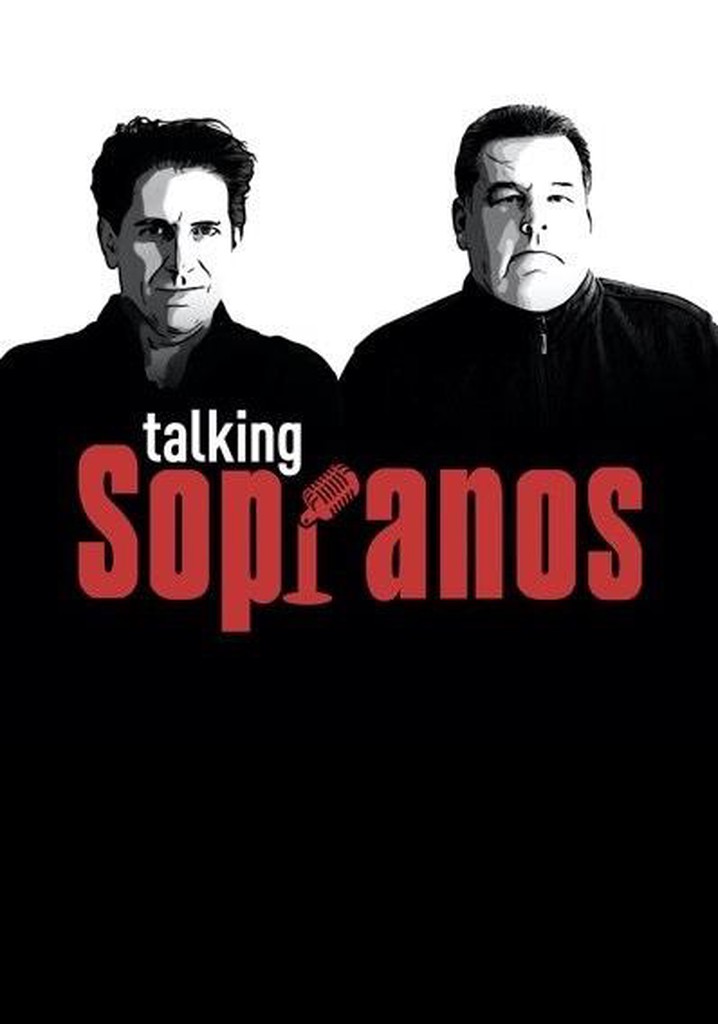
The podcasting world proved to be a perfect fit for Iler’s personality. He could engage with audiences without the need for a costume or a character, and he could discuss topics that truly interested him. His appearances on other podcasts, such as Talking Sopranos hosted by Michael Imperioli and Steve Schirripa, were also highly anticipated by the fanbase. In these interviews, Iler provided deep insights into the production of the show and his personal experiences as a child actor. He spoke candidly about his relationship with James Gandolfini, describing him as a mentor and a father figure. These stories provided fans with a behind-the-scenes look at the show that was both touching and informative. Iler’s willingness to share his memories helped preserve the history of the show for a new generation of viewers. He showed that while he had moved on from acting, he still held a great deal of respect for the work he had done.
Podcasting also gave Iler a platform to discuss his passion for poker and his life in Las Vegas. He frequently shared stories from the poker table, giving listeners a glimpse into the high-stakes world he now inhabits. This intersection of his past and present made for compelling content that resonated with a wide audience. Through Pajama Pants, Iler demonstrated that he had grown into a thoughtful, funny, and self-aware adult. He used the platform to advocate for mental health and to share his experiences with sobriety, providing inspiration for others facing similar challenges. The podcast era of his career has been a testament to his ability to adapt and find new ways to connect with people. It proves that you don't need to be on a television screen to have a meaningful impact on an audience. Iler has found a way to be heard that doesn't involve being someone else.
Why Robert Iler Walked Away from Acting
The question of why Robert Iler stopped acting is one that fans frequently ask. For many, it seems incomprehensible to leave a successful career at such a young age. However, for Iler, the decision was based on a fundamental realization that acting didn't bring him the joy it once had. He has explained in various interviews that after The Sopranos ended, nothing else felt as important or as challenging. He had reached the pinnacle of the medium with his first major role, and everything that came after felt like a step backward. The constant cycle of auditions, rejections, and the superficiality of Hollywood culture were no longer appealing. He wanted to do something that felt real and something that he had complete control over. For him, acting was a job he did as a kid, but it wasn't necessarily his calling for the rest of his life.
Another factor in his departure from the industry was his desire for privacy. Robert Iler movies and tv shows brought him a level of fame that made it difficult to live a normal life. He was often recognized on the street as A.J. Soprano, a character that many people had strong negative feelings toward. This "typecasting" in the eyes of the public made it hard for him to be seen as anyone else. By moving to Las Vegas and pursuing poker, he was able to disappear into a world where he was just another player at the table. He valued the anonymity that the poker world provided, allowing him to build a life on his own terms. He didn't want his entire existence to be defined by a role he played when he was eighteen years old. This quest for a self-defined identity is a powerful motivator that many people can relate to, regardless of their profession.
Finally, Iler’s sobriety played a massive role in his decision to leave Hollywood. The entertainment industry is notorious for being a difficult place for those in recovery, with constant temptations and a high-stress environment. Iler recognized that in order to maintain his health, he needed to remove himself from that world. He chose a path that prioritized his well-being over his bank account or his IMDb credits. This decision required a great deal of maturity and self-awareness. It is rare to see a young celebrity make such a definitive choice to prioritize their soul over their status. Today, Robert Iler seems more content than he ever did during his time in the spotlight. He has found success in the poker world, built meaningful relationships through his podcasts, and most importantly, he has found himself. His journey reminds us that success isn't always about being the biggest star in the room; sometimes, it’s about having the courage to leave the room entirely.
FAQ: Robert Iler Movies and TV Shows
What is Robert Iler's most famous role?
Robert Iler is most famous for playing Anthony "A.J." Soprano Jr. on the HBO drama series The Sopranos. He played the character for all six seasons, from 1999 to 2007, and it remains his most iconic performance. His portrayal of the troubled son of Tony Soprano earned him several nominations and praise for his realistic acting.
Did Robert Iler quit acting?
Yes, Robert Iler effectively retired from acting after The Sopranos concluded. While he has made very rare appearances in small projects or podcasts, he moved to Las Vegas to pursue a career as a professional poker player. He has stated that he does not have a desire to return to the Hollywood lifestyle or full-time acting.
What movies was Robert Iler in?
Robert Iler appeared in several movies, most notably Tadpole in 2002 and Daredevil in 2003. He also had a role in the 1999 film The Tic Code. While his filmography is not as extensive as his television work, these roles showed his versatility as an actor during the height of his career.
Does Robert Iler still play poker?
Robert Iler remains active in the poker community, having transitioned to a professional career in the game after leaving acting. He is a regular in the Las Vegas poker scene and has participated in numerous high-stakes games and tournaments. Poker has become his primary professional focus and personal passion since 2007.
How can I keep up with Robert Iler now?
While Robert Iler is not active on social media in a traditional sense, he was a regular host on the Pajama Pants podcast. He also occasionally appears as a guest on other entertainment and poker-related podcasts. These platforms are the best way for fans to hear his current thoughts on life, poker, and his time on The Sopranos.
Conclusion: The Soprano Legacy
Robert Iler’s career is a fascinating case study in the power of choice. He could have easily coasted on his Sopranos fame for decades, taking mediocre roles and living in the Hollywood bubble. Instead, he chose a life of authenticity, pursuing poker and podcasting with the same intensity he once brought to his acting. He remains one of the most interesting figures from the golden age of TV precisely because he walked away from it. While we may not see him in new blockbusters, his performance as A.J. Soprano will continue to be studied and admired for as long as people watch television. Robert Iler proved that you don't have to be a movie star to be a success; you just have to be yourself. He is the ultimate example of a child star who didn't just survive Hollywood but outsmarted it. If you haven't revisited his work lately, it is well worth a rewatch to see the subtle brilliance he brought to the screen. Rate and review on Gatsby.


