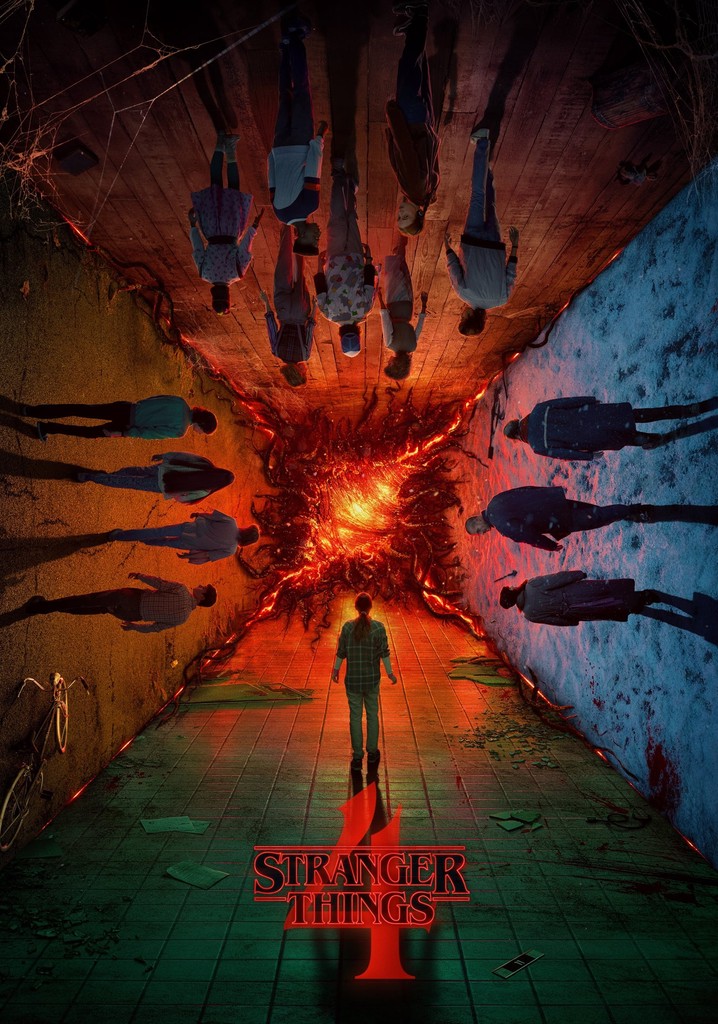


“Stranger Things: Tales From '85” is coming, and trust us, this isn't just a cash grab. We’re diving deep into why the crucial 1985 setting is peak lore potential, predicting which Hawkins icon gets the spotlight, and analyzing if this franchise can keep rolling without the core kids fighting Vecna every summer. Get ready for some high-stakes nostalgia.
Let's be real: when a massively successful franchise announces a spin-off, the immediate reaction is usually a cynical eye roll. We’ve seen this movie before. But when the announcement is Stranger Things: Tales From '85, you gotta pump the brakes. Why? Because the Duffer Brothers know the 1980s better than your dad remembers his mullet, and focusing purely on the summer of '85 isn't just good timing—it's a genius move for maximizing the inherent creepiness of the IP.
Why '85 Is the Goldilocks Zone for Hawkins Horror
The original run of Stranger Things nailed the early 80s vibe, but 1985 is different. It’s peak consumerism, peak Cold War anxiety, and the year where the innocence started truly dissolving into cynicism. Think about it:
- The Mall Culture Hit Hard: Starcourt wasn't just a backdrop; it was a symbol of corporate expansion overshadowing small-town life. Setting a story in '85 means we can explore the hidden corners of this consumer boom, which, naturally, are perfect breeding grounds for Upside Down shenanigans.
- Post-Trauma Maturity: By '85, the core characters have already faced a Demogorgon, the Mind Flayer, and the trauma is starting to settle. A spin-off set during this period allows the narrative to ditch some of the elementary school innocence and explore darker, more mature themes of cover-ups and small-town paranoia.
- The Hopper Void: If this show features existing characters (even in B-plots), 1985 is the year Hopper was—well, let's just say, occupied. It allows for narratives focusing on Joyce or other supporting adults struggling to maintain the fragile peace he fought for.
Our hot take? The spin-off shouldn't focus on the main cast. We know their arcs. Give us the stories bubbling around the edges—the military investigators who suddenly went missing, the random Hawkins residents who saw things they shouldn't have, or maybe even a deep dive into the truly chaotic life of Eddie Munson before he became a D&D legend.
The Big Question: Who Takes the Lead? (Our Unhinged Theories)
The success of Tales From '85 hinges entirely on whether it introduces fresh blood or elevates a beloved secondary character. We're not here for Eleven: The Teenage Years. We need the B-Team to go full send.
Theory 1: The Scott Clarke Redemption Arc
Scott Clarke, the science teacher, is the biggest unsung hero. This dude had to explain dimensions, sensory deprivation tanks, and the possibility of interdimensional travel to a bunch of terrified parents, likely while sipping lukewarm coffee. An '85 setting could focus on Scott realizing the "kids' wild theories" weren't theories at all. Imagine him, consumed by guilt and scientific curiosity, trying to reverse-engineer a gate himself using whatever sketchy equipment he has in the AV club storage room.
Theory 2: The Conspiracy Theorist
Hawkins has to be rife with local journalists or citizens who believe the government is dumping chemicals in the quarry. A story following a low-budget investigative journalist in '85 trying to expose Hawkins Lab, only to get dangerously close to the truth, offers classic 80s thriller vibes without needing telekinetic powers every five minutes. Think Watergate meets Demogorgons. That's good content.
Can the Franchise Survive the Kids Growing Up?
Every IP based on childhood nostalgia hits a wall when the kids hit college—it’s inevitable. Stranger Things is currently navigating that tricky transition. By launching Tales From '85, they are proving they understand the IP isn't just about the main six characters; it's about the era, the town, and the trauma of Hawkins itself. This spin-off acts as a crucial tether to the golden age of the Upside Down while the mainline story wraps up.
If they pull this off—delivering a tight, character-driven horror story set in the most defining year of the decade—it proves the Stranger Things universe is infinitely expandable. If they botch it? Well, grab your hairspray, because the apocalypse is starting early.
FAQs: Your Burning Questions on Tales From '85
Q: Is "Stranger Things: Tales From '85" a direct sequel to the main series?
A: It is widely speculated to be a spin-off or anthology set within the established timeline, possibly focusing on events running parallel to or shortly after Season 3, utilizing the crucial summer of 1985 setting for its plot depth.
Q: Will Eleven or Mike appear in "Tales From '85"?
A: While concrete casting details are typically guarded, most rumors suggest this installment will focus on new characters or minor existing ones to flesh out the Hawkins lore, minimizing the screen time of the main ensemble.
Q: Why is the year 1985 so important to the Stranger Things universe?
A: 1985 marked the rise of the Starcourt Mall, a central location for Upside Down activity in the original series, and represents a significant transition period in 80s culture, perfect for isolating new horror elements.
Q: Is this show live-action or animated?
A: While there have been various media extensions, “Tales From '85” is expected to maintain the high-quality, live-action production standards established by the core Netflix series.
Q: Will the Duffer Brothers be heavily involved in the spin-off?
A: Yes, they are producers and key architects of the Stranger Things universe. Their continued involvement ensures the spin-off maintains continuity and the signature tone fans expect.
This saga is far from over. Time to theorize the next Demogorgon meal plan.
Review/discuss on Gatsby


