

The concept of the filthy rich on screen has always held a peculiar grip on the collective human imagination. We are simultaneously repulsed by the excesses of the ultra-wealthy and hopelessly addicted to watching their lives unfold on our screens. Whether it is a dramatized boardroom battle or a gritty documentary exposing systemic corruption, entertainment provides a safe distance from which we can judge the rich. This fascination is not merely about jealousy or aspiration but rather a deep-seated curiosity about what happens to the human psyche when money becomes no object. In the modern era of streaming, this genre has exploded into a cornerstone of popular culture, offering everything from historical epics to biting contemporary satires. We watch because we want to see if they are as miserable as we hope they are. We watch to see the gleaming towers and the private jets, even as we wait for the inevitable crash. The portrayal of massive wealth serves as a mirror to our own societal values and the often-blurred lines between success and greed. This exploration of extreme affluence reveals the complicated relationship between power, morality, and the price of a golden ticket.
The Historical Allure of Old Money and The Gilded Age
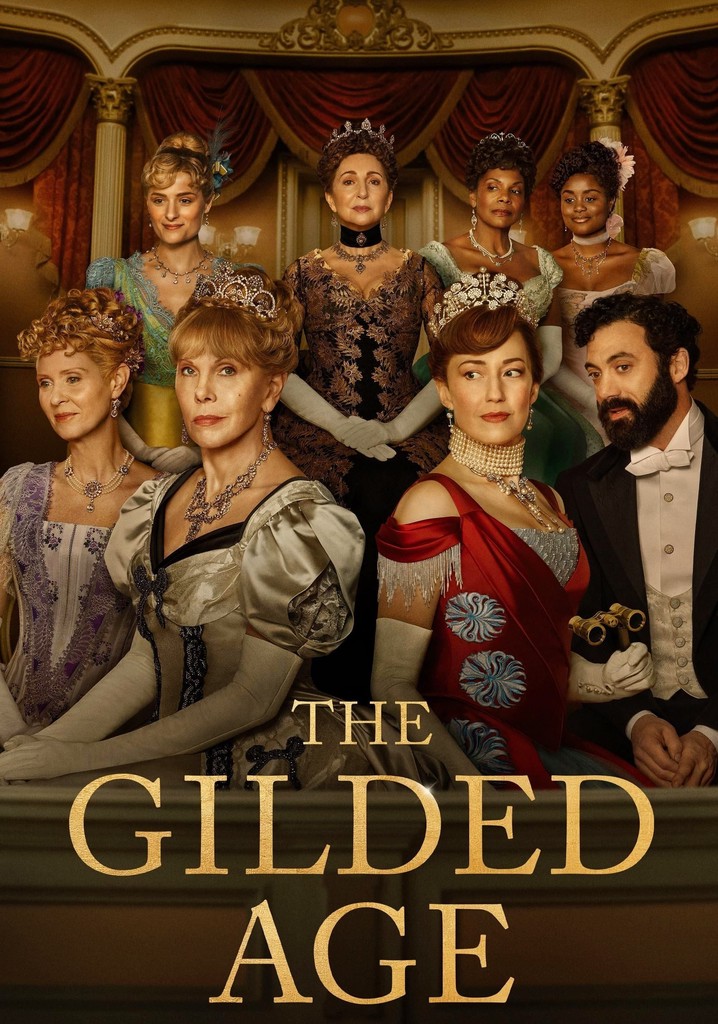
Television has long found success by looking backward at the origins of massive American and European wealth. Shows like The Gilded Age, created by Julian Fellowes, transport viewers to the late 19th century when industrial titans were reshaping the world. This era was defined by the clash between old money families and the "nouveau riche" who sought to buy their way into high society. The show highlights the rigid social structures and the immense pressure to maintain an image of perfection despite personal failings. Watching the characters navigate these social minefields reminds us that massive fortunes were often built on the backs of the laboring class. The costumes and sets provide a lush backdrop that masks the cutthroat nature of the business deals happening behind closed doors. It is a world where a single social snub can be as devastating as a stock market crash. We see the birth of the American aristocracy and the foundational greed that would set the stage for centuries of inequality. The Gilded Age serves as a reminder that the obsession with status is as old as the currency itself.
The drama in these historical settings often revolves around the preservation of a legacy at any cost. Families in these shows treat their names like corporations, guarding their reputations with a ferocity that borders on the fanatical. There is a certain irony in watching characters live in sprawling mansions while they feel trapped by the very walls they built. The obsession with heritage and "proper" breeding creates a tension that is still palpable in modern portrayals of the wealthy. Money can't buy happiness, but it can buy a helicopter to escape the sadness. This historical perspective allows audiences to see the long-term effects of extreme wealth on family dynamics and personal identity. We witness the beginning of the "more is never enough" mentality that continues to drive the entertainment industry today. By dramatizing the past, creators can critique the present without being too on the nose about current political climates. These shows provide a foundational understanding of where these massive fortunes come from and why they are so hard to let go of.
Succession and the Satire of Modern Dynasties
Perhaps no show in recent years has captured the public's obsession with the filthy rich on screen quite like Succession. The series follows the Roy family as they fight for control of a global media empire that resembles real-world conglomerates. Unlike the soap operas of the past, Succession leans into the awkwardness, cruelty, and sheer absurdity of the ultra-wealthy. The characters are frequently unlikable, yet their dysfunction is so compelling that viewers cannot help but pick favorites. It strips away the glamour of being a billionaire and replaces it with a constant, soul-crushing anxiety. Every conversation is a negotiation, and every family dinner is a potential betrayal. The dialogue is sharp, vulgar, and incredibly realistic, capturing the way the powerful speak when they think no one is listening. It shows that even with a private jet, the Roy children are still stuck in a perpetual state of childhood trauma. Watching billionaires argue is just gossip with higher stakes and better upholstery.
The brilliance of the show lies in its ability to make the audience feel the weight of these fortunes. The wealth is not portrayed as a gift but as a burden that prevents any of the characters from forming genuine human connections. They are insulated from the real world, living in a bubble of luxury that has completely warped their sense of reality. This disconnect is where the dark humor of the series thrives, as characters struggle with basic human empathy while managing billion-dollar deals. The show reflects a growing societal cynicism toward the "one percent" and the institutions they control. It suggests that the drive to accumulate such massive wealth is inherently destructive to the soul. Even as we laugh at their failures, there is a lingering discomfort about the power these people hold over the world. The Roys are not just a family; they are a symptom of a system that rewards ruthlessness above all else. This portrayal has redefined how we view the wealthy on television, moving away from aspiration toward a more critical, satirical lens.
The Dark Reality of Jeffrey Epstein: Filthy Rich
While fictional dramas provide entertainment, documentary series like Jeffrey Epstein: Filthy Rich offer a chilling look at the real-world consequences of unchecked wealth. This Netflix miniseries explores how a massive fortune was used to facilitate a decade-long scheme of abuse and manipulation. It highlights the systemic failures that allowed a powerful individual to evade justice for so long. The title itself suggests that the fortune was not just large, but fundamentally "filthy" due to how it was used. Through interviews with survivors, the documentary gives a voice to those who were silenced by Epstein's legal and financial influence. It serves as a stark reminder that extreme wealth can be used as a shield against the law. The only thing more expensive than a private jet is the legal team required to keep it. This series moved the conversation from voyeurism to a demand for accountability and systemic change.
The documentary also explores the connections between Epstein and other powerful figures, showing how wealth creates a protective network. This "boys club" mentality is a recurring theme in many stories about the wealthy, where loyalty is bought rather than earned. The series does not shy away from the horrific details, forcing the audience to confront the dark side of the billionaire lifestyle. It challenges the idea that success is a sign of good character, revealing the predatory nature that can exist within high-society circles. By focusing on the victims, the show reframes the narrative away from the perpetrator's lifestyle and toward the human cost of his actions. This shift is crucial in a media landscape that often glamorizes the wealthy regardless of their deeds. Jeffrey Epstein: Filthy Rich is a difficult watch, but it is an essential part of the modern discourse on wealth and power. It illustrates that when money becomes a tool for exploitation, the fortune truly becomes filthy in every sense of the word.
Cinematic Greed in The Wolf of Wall Street and Beyond
On the big screen, Martin Scorsese's The Wolf of Wall Street remains the definitive look at the adrenaline-fueled world of financial fraud. The film depicts the rise and fall of Jordan Belfort, a man who built an empire on manipulation and sheer audacity. It is a loud, chaotic, and intentionally excessive movie that mirrors the lifestyle it portrays. Leonardo DiCaprio's performance captures the magnetic but hollow charisma of a man obsessed with accumulation. The film has been criticized for glamorizing Belfort's crimes, but Scorsese uses the excess to highlight the emptiness at the core of the pursuit. We see the drug-fueled parties and the expensive cars, but we also see the total disregard for the lives ruined in the process. Wealth at this level isn't a bank account; it's a personality disorder with a view. The movie acts as a cautionary tale dressed in the flashy clothes of a celebration.
Other films like Wall Street and The Big Short also tackle the theme of financial greed with varying degrees of cynicism. Gordon Gekko's famous "greed is good" speech from the 1987 film Wall Street became a mantra for an entire generation of real-world stockbrokers. This highlights a strange phenomenon where audiences often miss the critique and instead find inspiration in the villains. The Big Short takes a more technical but equally biting approach, explaining the 2008 financial crisis through the eyes of those who saw it coming. These movies suggest that the system itself is rigged to benefit those who already have the most. They portray the financial markets not as a neutral tool for growth, but as a casino where the house always wins. The recurring theme is that once a fortune reaches a certain level, the rules of society no longer seem to apply. These cinematic explorations of greed force us to question the ethics of our own economic aspirations and the price we are willing to pay for success.
The White Lotus and the Fragility of the Privileged
HBO's The White Lotus takes a different approach by focusing on the interactions between wealthy hotel guests and the staff who serve them. The show is a masterclass in awkward social dynamics and the subtle ways that money creates a divide between people. Each season takes place at a different luxury resort, providing a beautiful backdrop for the petty dramas of the elite. The characters are not necessarily evil, but they are incredibly self-absorbed and blind to their own privilege. They treat the world as if it exists solely for their comfort and entertainment. This creates a friction with the staff, who must maintain a smile while dealing with the guests' absurdity. The show suggests that even in paradise, the wealthy are haunted by their own insecurities and a sense of existential dread. It is a satirical look at how extreme wealth can lead to a profound sense of isolation and dissatisfaction.
The White Lotus also explores the concept of "performative" morality, where characters try to act woke or socially conscious while benefiting from oppressive systems. This creates a layer of hypocrisy that is both hilarious and deeply uncomfortable to watch. The show captures the modern anxiety of the wealthy who are aware of the world's problems but are unwilling to sacrifice any of their own comforts. It highlights the fragility of these massive fortunes, which are often built on shaky emotional and social foundations. The guests' problems are objectively small, yet they treat them with the gravity of a national crisis. This disconnect is the source of much of the show's humor and social commentary. By placing the characters in a confined space, the series forces them to confront their own emptiness. The White Lotus is a reminder that you can travel to the ends of the earth, but you can never escape yourself.
Generation Wealth and the Modern Obsession with More
Lauren Greenfield's documentary Generation Wealth provides a global perspective on the obsession with status and accumulation. The film spans decades and countries, showing how the "American Dream" of upward mobility has morphed into a nightmare of endless consumption. Greenfield interviews people from all walks of life, from former hedge fund managers to those who have bankrupted themselves trying to look rich. The documentary suggests that the desire for massive fortunes has become a cultural pathology. We are bombarded with images of luxury through social media, leading to a constant state of comparison and dissatisfaction. The film shows how this obsession affects everything from body image to family relationships. It is a haunting look at a society that has lost its way in the pursuit of shiny objects.
The stories in Generation Wealth are often heartbreaking, showing the human wreckage left behind by the pursuit of more. We meet individuals who have sacrificed their health, their homes, and their integrity for a chance at the high life. The documentary argues that we are living in a time of decadence that precedes a fall, drawing parallels to historical empires. It challenges the viewer to look at their own spending habits and the values they pass on to the next generation. The "filthy" part of the fortune here is the spiritual and moral rot that accompanies the blind pursuit of wealth. By presenting such a wide array of stories, Greenfield makes the case that this is not just an elite problem but a societal one. We have all been conditioned to believe that wealth is the ultimate goal, regardless of the cost. Generation Wealth is a sobering call to reconsider what we truly value in life.
Frequently Asked Questions About Wealth in Entertainment
Why are we so obsessed with the filthy rich on screen?
Our obsession stems from a mix of voyeurism and a desire for social justice. We enjoy seeing the lifestyle we can't afford, but we also want to see that money doesn't solve every problem. Shows about massive fortunes allow us to vicariously live in luxury while simultaneously feeling morally superior to the characters. There is a certain satisfaction in watching the powerful fall from grace or struggle with basic human issues. It also serves as a way to understand the systems that govern our lives from a safe distance. Ultimately, these shows tap into our fundamental questions about fairness and the nature of success.
What is the "Eat the Rich" trope in modern media?
The "Eat the Rich" trope refers to stories where the plot focuses on the downfall or humiliation of the wealthy. This has become increasingly popular in the wake of rising global inequality and financial crises. Movies like Parasite and The Menu are great examples of this trend, where the struggle is literal or deeply metaphorical. It reflects a growing frustration with the concentration of wealth and a desire to see a rebalancing of power. These stories often use satire and horror to critique the disconnect between the elite and the rest of society. It is a way for audiences to process their own feelings of economic disenfranchisement.
Are documentaries like Filthy Rich accurate?
Documentaries like Jeffrey Epstein: Filthy Rich are based on extensive research and interviews, but they are also crafted narratives. They aim to present a specific perspective on events and often focus on the emotional impact on the victims. While they use facts and court records, the way the story is told is designed to engage and inform the audience. It is always important to look at multiple sources to get a full picture of complex legal and social issues. However, these documentaries play a vital role in bringing hidden stories to the forefront of public consciousness. They provide a platform for those who have been marginalized by powerful systems.
Does watching these shows make us more materialistic?
The impact of these shows can vary from person to person. For some, the constant exposure to luxury can increase a desire for material wealth and status. For others, the critical and satirical nature of the shows can have the opposite effect, making them more cynical about the value of money. Many modern shows about massive fortunes are intentionally designed to be anti-aspirational, showing the dark side of wealth. They often highlight the misery that comes with greed rather than the joy. By making the wealthy appear unhappy or dysfunctional, these shows can actually encourage viewers to find value in non-material aspects of life.
Conclusion: The High Cost of Holding Everything
In the end, our fascination with the filthy rich on screen says more about us than it does about the people we are watching. We live in a world where the gap between the haves and the have-nots continues to widen, and entertainment is the primary way we bridge that gap. We use these stories to explore our own ethics and to imagine what we would do with that kind of power. The recurring lesson from both fiction and reality is that extreme wealth rarely comes without a heavy price. It can distort reality, destroy relationships, and create a sense of isolation that no amount of gold can fix. As long as there are those with more than they could ever spend, there will be an audience eager to watch them struggle to spend it. Perhaps the most controversial take of all is that we don't actually want to "eat the rich" as much as we want to be invited to their dinner parties. We pretend to hate the excess while secretly checking our lottery tickets. Our obsession isn't with the money itself, but with the freedom we think it provides. Rate and review on Gatsby.


