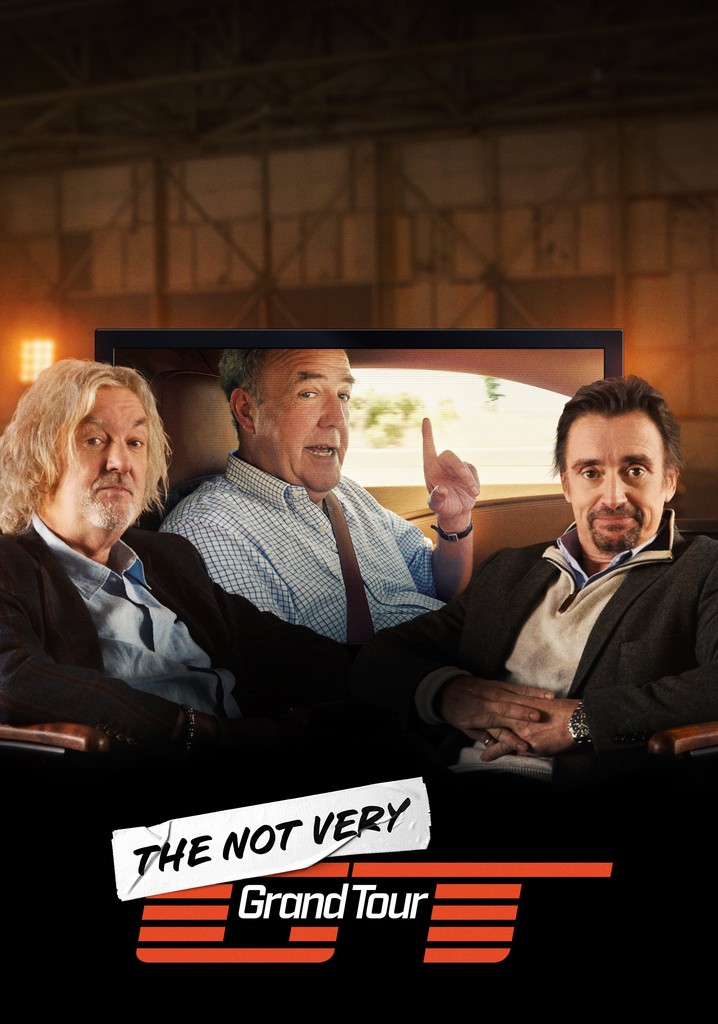


After twenty-two years of high-speed chaos, questionable fashion choices, and the kind of chemistry that cannot be manufactured in a lab, Jeremy Clarkson, Richard Hammond, and James May have finally parked the cars for good. Their final special, One for the Road, marks the end of an era that redefined automotive entertainment for millions of viewers across the globe. While the show was titled The Grand Tour, many fans have affectionately, or perhaps ironically, referred to the later years as the not very grand tour finale due to the shift in tone and scale. This evolution from bombastic stadium shows to intimate road trips in vintage cars reflected the trio’s own aging process and the changing landscape of streaming media. It was a journey that started with a punch in a hotel and ended with three old men sharing a beer by a lake in Zimbabwe. Understanding the legacy of this series requires looking beyond the tire smoke and the explosions. It is about three friends who managed to make the world care about the internal combustion engine while barely knowing how to fix one themselves. This transition toward a more reflective and quiet ending was not just necessary, but it was also deeply poetic for a show that once prided itself on being the loudest thing on television.
The transition to the not very grand tour finale style was further cemented during the global pandemic. With international travel restricted, the team had to film closer to home in Scotland and Wales. These episodes, like Lochdown and Carnage A Trois, felt smaller in scope but were surprisingly rich in humor and nostalgia. They proved that the trio could make an entertaining hour of television just by driving through the rainy British countryside in old American cruisers or French hatchbacks. These "smaller" adventures actually highlighted the core appeal of the group: their ability to find humor in failure and misery. While the budgets remained high, the stakes felt more personal and relatable to the average viewer. We were no longer just watching three wealthy men fly around the world on a corporate dime. We were watching three aging friends try to navigate a world that was rapidly moving on from the cars they loved. This sense of being slightly out of time became a recurring theme that carried through to the very end of their journey.
The Evolution of the Trio and the Not Very Grand Tour Finale Era
When Jeremy Clarkson, Richard Hammond, and James May left the BBC in 2015, the world expected their next venture to be bigger and louder than ever before. Amazon Prime Video provided them with a budget that seemed to have no limits, leading to the creation of a massive traveling tent and global stunts. However, as the seasons progressed, the format began to change significantly. The elaborate studio segments were eventually scrapped in favor of high-production specials that focused entirely on road trips. This shift was the beginning of what some might call the not very grand tour finale because it moved away from the structured variety show format of their Top Gear days. Instead of reviewing the latest supercars on a track, the trio spent more time arguing in deserts and getting stuck in mud. This change allowed for more genuine interactions between the presenters, which had always been the real heart of the show. Fans realized that they did not need a studio audience or a "Stig" to enjoy the banter between these three distinct personalities. The scale was still impressive, but the focus became much more intimate and character-driven.
One could argue that the not very grand tour finale was actually more "grand" in its emotional resonance than the early episodes. By stripping away the scripted celebrity interviews and the forced segments, the show allowed the natural chemistry of the trio to shine. There is a specific kind of magic that happens when Clarkson makes a offensive joke, May explains a technical detail, and Hammond crashes into something. This formula has been imitated by many other shows, but it has never been successfully duplicated because it relies on decades of shared history. The trio has lived through life-altering crashes, career scandals, and the general wear and tear of middle age together. This history is visible in every frame of their final specials. They are no longer the young rebels of the early 2000s; they are elder statesmen of the automotive world who are clearly ready for a rest. Accepting this reality made the show more honest and, in many ways, more enjoyable for the long-term fans who grew up with them.
One for the Road: The Ultimate Not Very Grand Tour Finale
The final special, titled One for the Road, takes the presenters to Zimbabwe for one last adventure. In a fitting tribute to their beginnings, they choose cars that they genuinely love rather than vehicles forced upon them by a script. Jeremy Clarkson drives a Lancia Montecarlo, Richard Hammond opts for a Ford Capri, and James May settles into a Triumph Stag. These cars are notoriously unreliable and impractical for a cross-country trek, but that is exactly the point. The entire episode serves as a love letter to the era of motoring that they helped define and celebrate. As they traverse the beautiful landscapes of Zimbabwe, the focus is less on "winning" a challenge and more on appreciating the scenery and each other. It is the quintessential the not very grand tour finale because it prioritizes sentiment over spectacle. There are no massive explosions or high-stakes races against fighter jets. Instead, there are long shots of vintage cars winding through mountain passes and quiet conversations about the past. This restraint is what makes the finale so impactful for anyone who has followed their careers.
Watching the trio in Zimbabwe feels like a victory lap that they have earned through years of hard work. They revisit locations that hold personal significance, including a poignant return to the site of their first-ever special in Botswana. Seeing them stand on the same salt pans where they once filmed nearly twenty years ago is a powerful reminder of how much time has passed. The cinematography in this final outing is arguably the best it has ever been, capturing the vastness of the African continent with stunning clarity. However, the true beauty lies in the small moments, like Hammond struggling with his car's roof or May’s genuine delight at a well-engineered bridge. It is a slow-burn episode that rewards the viewer’s patience with a sense of closure that few shows manage to achieve. By the time they reach the finish line, it is clear that they have nothing left to prove to anyone. They have outlasted their critics and their competitors, leaving behind a legacy that will likely never be matched in the world of unscripted television.
The cars themselves become characters in the story, representing the different personalities of the three men. Clarkson's Lancia is beautiful but temperamental, mirroring his own flamboyant and often controversial career. Hammond's Ford Capri is a "people's sports car," reflecting his more accessible and high-energy persona. May's Triumph Stag is sensible yet plagued by design flaws, much like his own meticulous but occasionally misguided approach to life. Throughout the not very grand tour finale journey, these vehicles break down and struggle, but they never quite give up. This endurance is a metaphor for the trio’s own career, which has survived numerous near-death experiences and public outcries. When they finally park the cars for the last time, there is a genuine sense of loss for the audience. We are not just saying goodbye to a car show; we are saying goodbye to a group of friends who have been a constant presence in our lives for over two decades. It is a rare moment of television history where the ending feels both earned and necessary.
The Legacy of the Three Amigos
To understand why the not very grand tour finale mattered, one must look at the impact Jeremy Clarkson, Richard Hammond, and James May had on global culture. They transformed a niche BBC car show into a global phenomenon that reached over 350 million viewers. Their influence extended far beyond the automotive industry, affecting tourism, fashion, and even political discourse. They made it acceptable for grown men to be silly, sentimental, and obsessed with mechanical objects. The trio’s success was built on a foundation of authenticity that resonated with people from all walks of life. Whether they were in the North Pole or the rainforests of Vietnam, they remained exactly who they were. This consistency is what turned them into icons. They were the three friends everyone wished they had, even if they were constantly bickering and making fun of one another. Their departure leaves a massive void in the entertainment landscape that Amazon and the BBC have already struggled to fill.
The move to Amazon was a gamble that ultimately paid off, even if it had some growing pains. The first season of The Grand Tour was criticized for being over-produced and lacking the soul of the original Top Gear. However, the team listened to the feedback and slowly pivoted back to what they did best. The introduction of the not very grand tour finale philosophy, focusing on long-form specials over weekly studio episodes, saved the show from becoming a parody of itself. It allowed the presenters to age gracefully on screen without having to perform the same "wacky" stunts that they did in their thirties. This maturity brought a new level of depth to their work. We saw Clarkson become more introspective, Hammond more appreciative of his health, and May more resigned to his role as the resident eccentric. They became more than just presenters; they became cultural commentators who used cars as a lens to view the world. Their legacy is not just a collection of viral clips, but a body of work that celebrates human curiosity and the joy of the open road.
Even though the not very grand tour finale has officially ended, the three presenters are far from retired. Jeremy Clarkson has found massive success with Clarkson's Farm, a show that highlights the struggles and triumphs of British agriculture. Richard Hammond has his own workshop show and continues to explore his passion for classic car restoration. James May has traveled the world for his Our Man In... series and continues to create content about his various interests, from gin to toys. Their individual successes prove that their appeal was never just about the cars. It was about their personalities and their ability to tell stories that people actually care about. However, seeing them apart will never quite be the same as seeing them together. The synergy they created is something that only happens once in a generation. As they move into the next chapters of their lives, they leave behind a blueprint for how to build a lasting connection with an audience through honesty, humor, and a lot of burnt rubber.
The final moments of One for the Road are some of the most moving in the history of the genre. There is no big goodbye speech or elaborate montage of their "best bits." Instead, there is a simple, quiet moment of reflection as they walk away from their cars. It is a confident ending that trusts the audience to understand the gravity of the moment. They have spent over twenty years entertaining us, and they are finally taking their own advice to just enjoy the ride. The not very grand tour finale was the perfect way to wrap up their story because it was grounded in reality. Life is not always a series of grand gestures and world-ending stakes. Sometimes, it is just about getting through the day with your friends and a car that mostly works. By embracing this simplicity, Clarkson, Hammond, and May managed to go out on a high note. They avoided the trap of staying too long or becoming irrelevant, choosing instead to leave us wanting just one more adventure.
Frequently Asked Questions
Why is the final era called the not very grand tour finale by some fans?
The term the not very grand tour finale is often used to describe the later seasons of the Amazon series when the show moved away from the large-scale studio format. During the COVID-19 pandemic, the team had to film smaller, more localized specials in the UK rather than traveling to exotic international locations. These episodes felt more intimate and focused on the banter between the trio rather than big stunts. Fans appreciated this "scaled-down" approach because it felt more like the classic road trips they loved. It also reflected the fact that the presenters were getting older and preferred a different pace of filming. While the production quality remained high, the "grandeur" of the massive traveling tent was replaced by a more character-driven experience.
What cars did the trio drive in the finale of the not very grand tour finale?
In the final special, One for the Road, the presenters chose vintage cars that had personal meaning to them. Jeremy Clarkson drove a Lancia Montecarlo, which is a mid-engined sports car from the 1970s. Richard Hammond chose a Ford Capri, a car that was once a staple of the British motoring scene. James May opted for a Triumph Stag, a vehicle known for its classic style and its notorious mechanical issues. These choices were a departure from the high-tech supercars often featured in the series. By choosing these classic cars, they paid tribute to the history of motoring and the vehicles they grew up admiring. The cars struggled through the terrain of Zimbabwe, which added to the tension and humor of the final journey.
Will Clarkson, Hammond, and May ever work together again?
While the trio has officially ended their run on The Grand Tour, they have not completely ruled out the possibility of working together in the future. However, they have been very clear that they will not be making another car show together. Each of them has moved on to successful solo projects that keep them busy throughout the year. Jeremy Clarkson is heavily involved in his farm, Richard Hammond is focusing on his restoration business, and James May is pursuing various travel and hobby-based projects. They remain close friends and continue to support each other’s work behind the scenes. Any future collaboration would likely be a one-off special or a different format entirely. For now, fans should consider the not very grand tour finale as their definitive farewell to the world of motoring television.
Where was the final episode of the not very grand tour finale filmed?
The final special, One for the Road, was primarily filmed in Zimbabwe. The trio traveled across the country, showcasing its stunning natural beauty, from the mountains to the vast plains. The journey was chosen as a full-circle moment, as it allowed them to revisit nearby Botswana, where they filmed their first-ever special for the BBC. The choice of Zimbabwe was significant because of its diverse landscapes and challenging roads, which provided a perfect backdrop for their final adventure. The cinematography captured the essence of the African continent, making it one of the most visually impressive episodes in the series. This location served as a fitting stage for the end of the not very grand tour finale era.
Conclusion
In the end, the not very grand tour finale was exactly what it needed to be. It was a slow, thoughtful, and deeply funny conclusion to a journey that spanned two decades and changed the world of television. Clarkson, Hammond, and May did not need a spectacular finish with fireworks and fanfare; they just needed each other and a few old cars. Their legacy will live on in the countless hours of footage they produced and the millions of people they inspired to take the long way home. They proved that you do not need to be an expert to be passionate, and you do not need to be perfect to be loved. Here is a slightly controversial take: The Grand Tour was actually better when it was "not very grand." The smaller moments were always the biggest, and the quietest scenes were often the most memorable. We will miss the shouting and the smoke, but mostly, we will miss the friendship. Rate and review on Gatsby.


