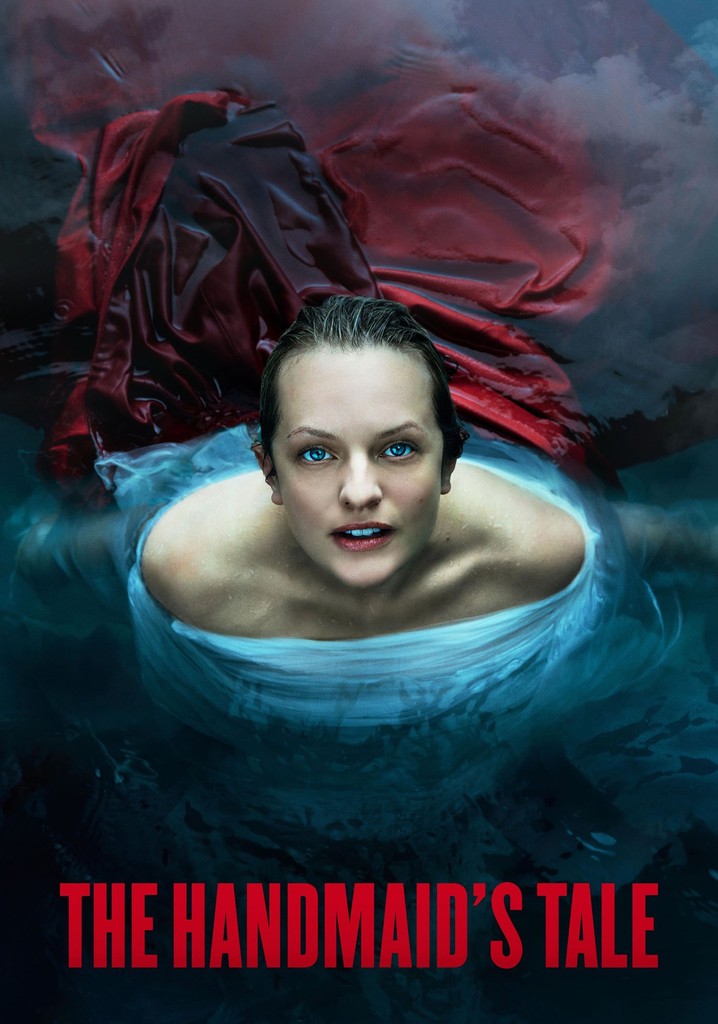

If you thought Gilead was cooked after June escaped, think again. The Testaments hits Hulu, diving deep into Aunt Lydia’s brutal history and the daughters ready to burn the whole totalitarian nightmare down from the inside.
The Sequel Hype Tax: Do We Really Need More Gilead?
Let's be blunt: sequels usually miss. When an IP hits peak cultural saturation, the follow-up often feels like a corporate cash grab—a flavorless remix of what made the original special. The Handmaid’s Tale left a mark on the zeitgeist so deep that trying to recapture that lightning is tough. The stakes are impossibly high. But here’s the hot take: The Testaments isn't just an epilogue; it’s a necessary autopsy of how absolute power dies, and crucially, it puts the most fascinating villain in the driver’s seat.
We’re talking about the collapse of an entire nation-state, seen through the eyes of three women: two young revolutionaries (Agnes Jemima and Daisy/Nicole) and the OG architect of terror, Aunt Lydia. If this adaptation plays its cards right, it’s not just going to be good—it’s going to be a stone-cold banger, primarily because of one magnificent performance.
Aunt Lydia: The Queen of Self-Preservation and Terror
In The Handmaid's Tale, Aunt Lydia was the menacing, whistle-wielding embodiment of Gilead's iron fist. But The Testaments reveals the receipts. She’s not just a true believer; she’s the ultimate survivalist politician.
The book flips the script hard, presenting her origin: a family court judge captured during the early chaos who made a truly harrowing choice to survive by becoming the regime's institutional core. She didn't just adapt; she engineered the rules, the punishments, and the power structures that kept women subjugated.
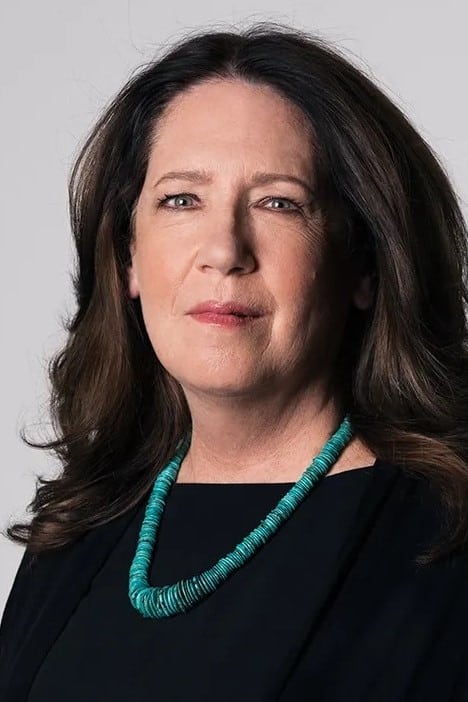
Her unique insight—that institutional power is far more durable than the men wielding it—makes her the true MVP of Gilead’s architecture. She’s basically setting herself up as the consigliere to the new world order, collecting secrets like trading cards and compiling the crucial historical documentation (the titular Testaments) necessary to eventually expose and destabilize the Commanders when the time is right. Ann Dowd absolutely cooked in the original run, but Season 1 of The Testaments gives her the main storyline she deserves: the calculating, ruthless anti-hero who uses the system she built to destroy it.
The Next Generation Must Be More Than Just Props
For the series to truly slap, the two new protagonists—Agnes Jemima (a daughter raised inside Gilead) and Daisy/Nicole (June's daughter raised in Canada)—cannot be cardboard cutouts. Their collision is the engine of the plot. Agnes represents the internal rot and indoctrination, realizing the horror of her world despite all the propaganda. Daisy/Nicole represents the external, international rage ready to breach the borders.
- The Agnes Problem: She was raised by Commanders. Her transformation from privileged daughter to reluctant spy must feel earned, not rushed.
- The Nicole/Daisy Factor: She’s June’s blood. She carries the inherent defiance of her mother. The question isn't whether she'll fight, but how quickly she learns that fighting Gilead requires intelligence, not just righteous fury.
The real intrigue lies in how Aunt Lydia manipulates both of them into becoming her unwitting agents, using their idealism to settle her own brutal scores against the aging, incompetent Commanders.
FAQs About The Testaments on Hulu
Q: Is The Testaments a direct sequel to The Handmaid's Tale?
A: Yes, the series is based on Margaret Atwood's 2019 novel, which is set roughly 15 years after the events detailed in the conclusion of The Handmaid’s Tale novel (and subsequent events of the TV show). It focuses on Gilead's slow collapse.
Q: Does June (Offred) appear in The Testaments?
A: The novel's narrative perspective shifts away from June/Offred, focusing primarily on Aunt Lydia, Agnes Jemima, and Daisy/Nicole. While June’s existence is the catalyst for much of the plot, her role is greatly reduced, though the TV adaptation may choose to include her more frequently.
Q: What is the significance of the title, “The Testaments”?
A: The title refers to the crucial historical accounts written by Aunt Lydia, who secretly documents the atrocities and internal workings of Gilead, intending for these documents to be used by the resistance to eventually dismantle the regime.
Q: How does Aunt Lydia shift from villain to anti-hero?
A: The Testaments reveals that while she fully embraced her role as a terrifying disciplinarian, she simultaneously began to despise the Commanders and saw the system as fundamentally unsustainable. She leverages her power and intelligence not out of inherent goodness, but out of a pragmatic desire to survive and, perhaps, reclaim some autonomy.
Q: Is this show as dark as The Handmaid's Tale?
A: Absolutely. While The Testaments offers a glimmer of hope concerning Gilead's eventual downfall, the internal struggle, violence, and psychological torment faced by Agnes and Daisy/Nicole remain just as intense and disturbing as the original series.
Review/discuss on Gatsby


