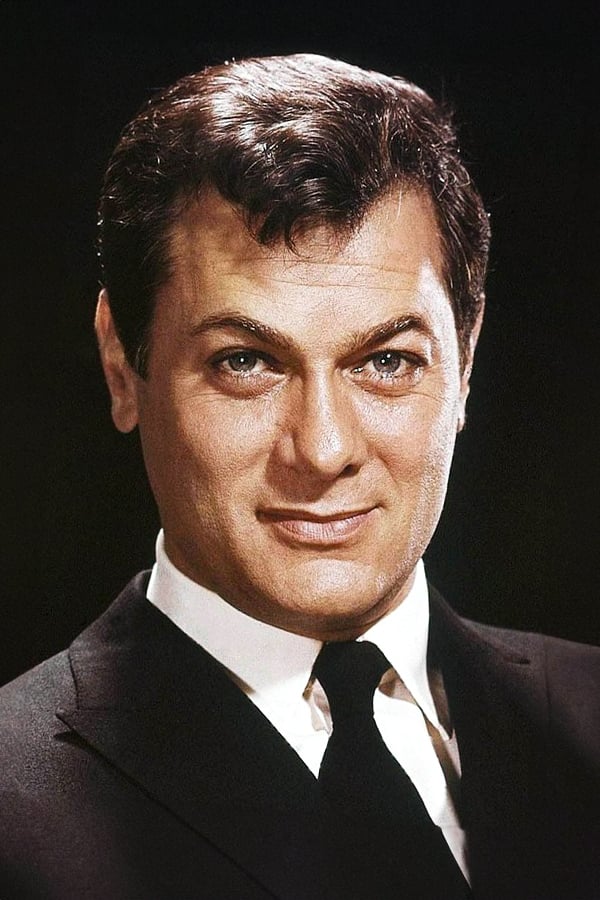

Tony Curtis stands as one of the most enduring symbols of Hollywood's Golden Age. Born Bernard Schwartz in the Bronx, he transformed himself into a cinematic icon through a combination of raw charisma and surprising dramatic depth. While many of his contemporaries relied on a singular type of role, Curtis navigated between slapstick comedy and gritty social dramas with remarkable ease. His career spanned six decades and included over one hundred film credits, making him one of the most prolific stars of his generation. From his breakout as a teen idol to his later years as a respected elder statesman of the screen, he remained a fixture in the public eye. His journey from a tough neighborhood in New York to the bright lights of California is a classic American success story. Even today, new generations of film fans discover his work through streaming platforms and classic movie marathons. Whether he was playing a high-stakes press agent or a cross-dressing musician, he brought a unique energy that few could replicate. This article takes a deep dive into the extensive catalog of Tony Curtis movies and tv shows that defined his legendary status.
In the early stages of his career, Hollywood primarily saw Tony Curtis as a handsome face designed to sell tickets to young audiences. He signed with Universal Pictures and quickly became a favorite of the fan magazines. His initial roles were often in swashbucklers or light romances where his athletic build and thick dark hair took center stage. Despite the studio's attempt to box him in, Curtis had higher ambitions for his craft. He understood that staying relevant in a changing industry required more than just a charming smile. He began seeking out roles that would challenge the public's perception of him as a mere heartthrob. This transition was not immediate, but it set the stage for one of the most impressive runs in film history during the late 1950s. It is hard to imagine a modern actor today having the patience to build a foundation so carefully over several years. He really was the guy who could sell a movie just by standing in the frame and looking cool. His dedication to learning the technical aspects of film acting during this period paid off handsomely when the right scripts finally came his way.
Breakthrough into Dramatic Excellence
The year 1957 marked a turning point for Tony Curtis with the release of Sweet Smell of Success. In this biting noir drama, he played Sidney Falco, a desperate and morally bankrupt press agent. Working alongside the legendary Burt Lancaster, Curtis delivered a performance that was both repulsive and deeply human. It was a massive risk for a man known for "pretty boy" roles to play such a sleazy character. Critics were stunned by his ability to hold his own against Lancaster's overpowering presence on screen. The film remains a masterclass in dialogue and atmosphere, with Curtis providing the frantic energy that drives the plot forward. This role proved that he had the range to handle complex material that explored the darker sides of fame and ambition. If you think your LinkedIn networking is aggressive, you clearly have not seen Sidney Falco in action. The success of this film opened doors to more prestigious projects that required a heavy emotional lift.
Following his triumph in Sweet Smell of Success, Curtis took on another monumental project in The Defiant Ones. This 1958 film directed by Stanley Kramer featured Curtis and Sidney Poitier as two escaped convicts shackled together. The story was a bold exploration of racial tensions in America and required intense physical and emotional commitment from both leads. Curtis insisted that Poitier receive top billing alongside him, a move that was quite progressive for the time. His portrayal of Joker Jackson earned him an Academy Award nomination for Best Actor. This nomination solidified his place among the elite performers of his era and silenced anyone who still doubted his talent. The chemistry between the two leads is the heartbeat of the film as they move from mutual hatred to a profound bond of brotherhood. It is a powerful reminder that some of the best stories are told through the lens of forced cooperation. Watching them navigate the wilderness while literally tied to each other is a perfect metaphor for the social struggles of the 1950s.
The King of High-Concept Comedy
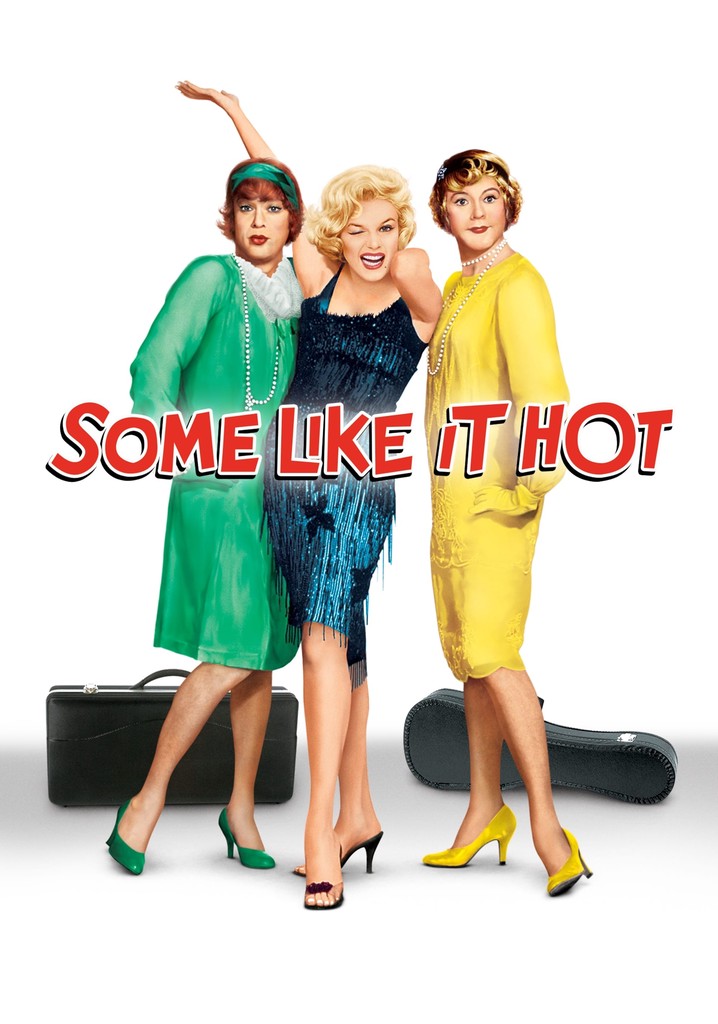
While he was gaining respect as a dramatic actor, Tony Curtis never lost his touch for comedy. In 1959, he starred in what many consider the greatest comedy of all time, Some Like It Hot. Directed by Billy Wilder, the film featured Curtis and Jack Lemmon as musicians who witness a mob hit and go into hiding by joining an all-female band. Curtis famously played three different personas in the film: Joe, Josephine, and a Cary Grant-inspired millionaire. His ability to switch between these roles while maintaining perfect comedic timing was nothing short of brilliant. Playing opposite Marilyn Monroe, he managed to be both a romantic lead and a hilarious foil to Lemmon's frantic energy. Most people struggle to put on a pair of heels for a costume party, but Curtis lived in them for months. The film was a massive hit and remains a cornerstone of his legacy, showing that he could lead a blockbuster without losing his artistic edge.
That same year, Curtis showcased his comedic chops again in Operation Petticoat. This military comedy saw him playing a resourceful officer on a pink submarine during World War II. Starring alongside Cary Grant, who was a personal hero of his, Curtis leaned into the role of a charming scoundrel who could find supplies in the middle of nowhere. The film was a huge commercial success and further cemented his status as a leading man who could handle lighthearted material with grace. His chemistry with Grant was impeccable, and the two actors clearly enjoyed the playful nature of the script. It is rare to see two generations of Hollywood royalty share the screen with such effortless charisma. This period of his career was defined by a string of hits that made him one of the most bankable stars in the world. He had a way of making even the most ridiculous situations seem plausible through his sheer commitment to the character. His work in these comedies continues to influence actors who strive for that perfect balance of wit and charm.
Versatility and the Epic Scale
The 1960s saw Tony Curtis moving into large-scale productions that tested his versatility. One of his most memorable roles from this decade was in the historical epic Spartacus. Directed by Stanley Kubrick, the film cast Curtis as Antoninus, a young slave who becomes a close confidant to Kirk Douglas's title character. Despite being surrounded by a cast of heavy hitters like Laurence Olivier and Peter Ustinov, Curtis made a lasting impression. His performance was subtle and moving, providing a necessary emotional anchor in a film filled with grand battles and political intrigue. The famous "snails and oysters" scene with Olivier remains one of the most discussed moments in cinematic history. It showed that Curtis could thrive in a prestigious ensemble cast without needing to be the center of every scene. He understood the rhythm of an epic and how to make his moments count.
Later in the decade, Curtis took on a role that was a complete departure from anything he had done before. In The Boston Strangler, he played the real-life serial killer Albert DeSalvo. This was a gritty, procedural drama that required him to tap into a very dark and disturbed psyche. He underwent a physical transformation for the role, losing his trademark glamorous look to become a convincing blue-collar worker with a terrifying secret. Many critics believe this was one of the best performances of his entire career. It proved once again that he was not afraid to take risks or play characters that were fundamentally unlikable. He could transition from a charming romantic to a cold-blooded killer without missing a beat. This level of range is something that few actors in any era truly possess. Sometimes you have to lose the hair gel to find the real heart of a character.
Transitioning to the Small Screen
As the film industry began to change in the 1970s, Tony Curtis looked toward television for new opportunities. His most famous venture into the medium was the British series The Persuaders! which debuted in 1971. He starred as Danny Wilde, an American self-made millionaire who teams up with a British aristocrat played by Roger Moore. The show was an international sensation, blending action, comedy, and high-fashion luxury. The dynamic between Curtis and Moore was the primary draw, as they played off their respective cultural stereotypes with great humor. Although it only lasted for one season, the show developed a massive cult following that persists to this day. It captures a specific era of television where the stars were bigger than the plots and the cars were always fast. It is basically what happens when you put two of the coolest men on the planet in a room and tell them to solve crimes.
Following the success of The Persuaders!, Curtis continued to appear in various television projects throughout the late 1970s and 1980s. He starred in the series McCoy as a high-stakes gambler and had a recurring role in the popular detective show Vega$. These roles allowed him to maintain his presence in the industry while the nature of theatrical films was shifting. He was always a professional who understood the value of the television audience and treated his small-screen work with the same dedication as his movies. He also made memorable guest appearances on shows like Roseanne and Lois & Clark: The New Adventures of Superman. These cameos often allowed him to poke fun at his own Hollywood image, showing a self-awareness that fans appreciated. He never became a "has-been" because he was always willing to adapt to the current trends of the entertainment landscape.
The Enduring Influence of a Legend
Tony Curtis was more than just an actor; he was a cultural phenomenon whose influence extended into fashion and public life. His famous hairstyle, known as the "Tony Curtis," was emulated by millions of young men in the 1950s, including a young Elvis Presley. Beyond his looks, his career serves as a roadmap for how to navigate the highs and lows of show business. He managed to stay relevant for over fifty years by constantly reinventing himself and refusing to be defined by his past successes. His filmography is a treasure trove of cinematic history, spanning everything from the classic studio system to the experimental films of the late 1960s. He was a bridge between the old Hollywood and the new, carrying the charisma of the past into a modern context. Even in his later years, he remained active in the arts, pursuing painting and writing with the same passion he brought to his acting. He was a man who truly lived several lifetimes within one.
The legacy of the film and television career of Tony Curtis is one of undeniable quality and variety. When you look back at his body of work, you see an actor who was constantly pushing himself to find something new. He did not just want to be famous; he wanted to be good. His performances in films like Sweet Smell of Success and Some Like It Hot are still studied by aspiring actors today. He proved that a performer could be a massive commercial star while still delivering work of high artistic value. His journey reminds us that talent is nothing without the courage to take risks and the work ethic to back it up. He was the kid from the Bronx who conquered the world, and he did it all with a style that was uniquely his own. His presence on screen was a gift to audiences, and his films will continue to be celebrated as long as people love great storytelling.
Frequently Asked Questions About Tony Curtis
What are considered the best Tony Curtis movies of all time?
Most film historians and critics agree that Some Like It Hot, Sweet Smell of Success, and The Defiant Ones represent the pinnacle of his career. These films showcase his incredible range, moving from iconic comedy to intense dramatic performance. Other notable mentions include Spartacus and The Boston Strangler for his character work.
Did Tony Curtis ever win an Academy Award?
While Tony Curtis was nominated for Best Actor for his role in The Defiant Ones in 1958, he never won a competitive Oscar. However, he received numerous other honors throughout his life, including several Golden Globes and a star on the Hollywood Walk of Fame. His lack of an Oscar win is often cited as a notable omission by the Academy given his long and impactful career.
What was Tony Curtis's most famous television role?
His most recognizable television role was Danny Wilde in the 1971 series The Persuaders!. He starred alongside Roger Moore in this action-comedy show which became a major hit in Europe and the United Kingdom. He also had notable roles in the series McCoy and the detective drama Vega$.
Who were Tony Curtis's most famous co-stars?
Throughout his career, Curtis worked with the biggest names in Hollywood. His most famous collaborations include Marilyn Monroe and Jack Lemmon in Some Like It Hot, Sidney Poitier in The Defiant Ones, Burt Lancaster in Sweet Smell of Success and Trapeze, and Cary Grant in Operation Petticoat. He also worked with Roger Moore during his transition to television.
How many times was Tony Curtis married?
Tony Curtis was married six times throughout his life. His most famous marriage was to actress Janet Leigh, with whom he had two daughters, Kelly and Jamie Lee Curtis. His other wives included Christine Kaufmann, Leslie Allen, Andrea Savio, Lisa Deutsch, and Jill Vandenberg Curtis. His personal life was often a subject of intense media interest during his peak years of fame.
Tony Curtis might be the only man in history who could pull off a pink submarine and a serial killer role in the same career. It is a testament to his talent that we still talk about him with such reverence. However, one could argue that his greatest performance was simply being Tony Curtis, the quintessential movie star. Some might say he was too focused on his image, but in an industry built on illusions, he was one of the few who mastered the art of the persona while keeping his talent intact. He was arguably the most underrated dramatic actor of his time because people were too busy looking at his face to see his soul. Rate and review on Gatsby.


