

Dana Ivey is one of those rare performers who can command a scene with nothing more than a raised eyebrow or a sharp intake of breath. While many casual moviegoers might not recognize her name immediately, they certainly recognize her formidable presence and the precision she brings to every role. From the high society circles of New York to the quirky halls of the Addams mansion, Ivey has built a career defined by versatility and a distinct brand of refined authority. She often portrays characters who are prim, proper, and occasionally terrifyingly efficient, making her the ultimate secret weapon for directors looking to add weight to their ensembles. Her background in theater translates beautifully to the screen, providing her with a technical mastery that many modern actors struggle to replicate. Whether she is playing a villainous socialite or a sympathetic mother figure, she anchors the story with a grounded realism that keeps the audience hooked. Exploring the best Dana Ivey movies reveals a filmography that spans decades and genres, showcasing a talent that remains as sharp as ever. This deep dive into her cinematic contributions highlights why she is considered a true legend of the craft.
Her career on the silver screen began to take flight in the mid-1980s after she had already established herself as a powerhouse on Broadway. One of her earliest and most impactful roles came in Steven Spielberg’s 1985 adaptation of The Color Purple. In this harrowing and beautiful film, Ivey played Miss Millie, the mayor's wife whose interactions with Sophia, played by Oprah Winfrey, are central to one of the movie's most emotional arcs. Miss Millie is a character trapped by her own privilege and narrow worldview, and Ivey portrays her with a chillingly polite detachment that highlights the systemic cruelty of the era. This performance proved that she could handle heavy, dramatic material while holding her own alongside some of the biggest names in the industry. It was clear from this early role that Ivey was not interested in playing caricatures, but rather complex women with specific motivations. She managed to make Miss Millie feel like a living, breathing person rather than just a plot device. This role set the stage for a career filled with memorable supporting turns that often stole the spotlight from the lead actors.
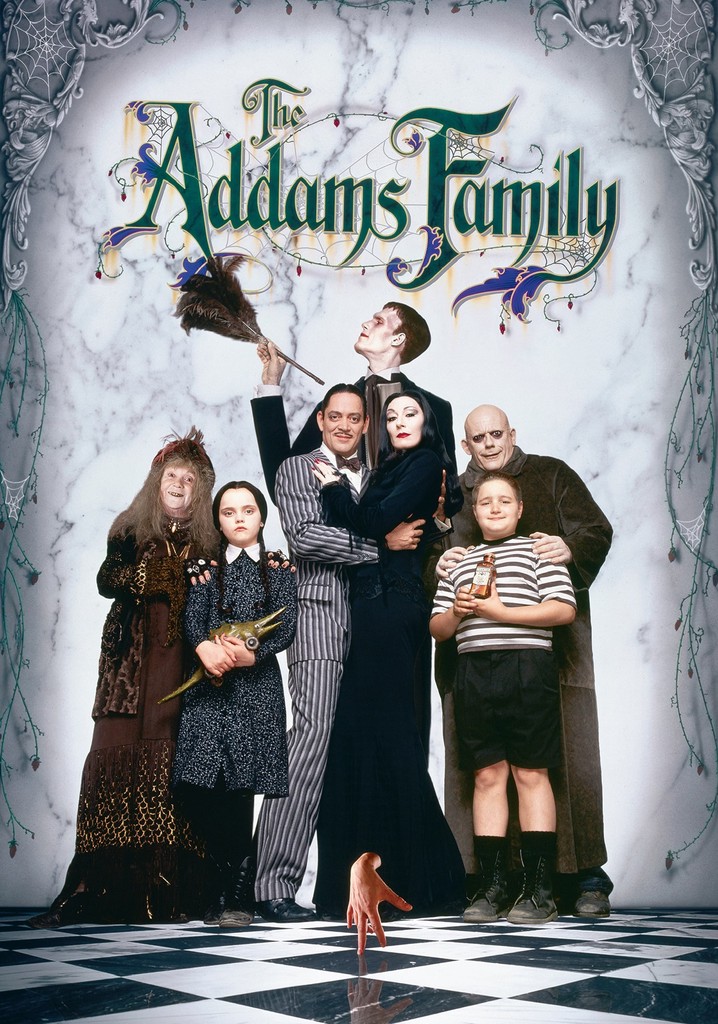
For many fans of 1990s cinema, Dana Ivey is most fondly remembered for her roles in the Addams Family films. In the 1991 movie The Addams Family and its 1993 sequel Addams Family Values, she played Margaret Alford, a woman who finds herself unexpectedly entangled with the eccentric clan. Initially, Margaret is the wife of the scheming Tully Alford, but her journey takes a hilarious turn as she eventually finds love and a place within the Addams household. Ivey’s comedic timing in these films is impeccable, as she plays the "straight man" to the absurdity happening around her. Watching her transition from a stressed-out socialite to someone who genuinely enjoys the dark and macabre world of Gomez and Morticia is a highlight of the series. She brings a certain dignity to the chaos, making Margaret’s evolution feel both earned and incredibly funny. It is hard to imagine anyone else bringing that specific blend of confusion and eventual acceptance to the character. Her chemistry with the rest of the cast was palpable, contributing to the timeless appeal of these cult classics.
The early 1990s were a particularly busy time for the actress, as she also appeared in the holiday staple Home Alone 2: Lost in New York. In this sequel, she played Hester Stone, the stern desk clerk at the Plaza Hotel who is immediately suspicious of young Kevin McCallister. Along with Tim Curry and Rob Schneider, she formed a comedic trio that provided some of the movie's best non-slapstick moments. Hester Stone is the quintessential professional, maintaining a stiff upper lip even as she deals with the outrageous antics of a nine-year-old guest. Ivey’s performance is a masterclass in deadpan humor, as she conveys a mountain of judgment with just a single glance at Kevin’s credit card. She perfectly captures the vibe of high-end hospitality where the service is impeccable but the eyes are always watching. It is a testament to her skill that such a relatively small role remains so memorable to audiences decades later. Every time the movie airs during the holidays, fans look forward to her sharp-tongued interactions with Kevin. She truly knows how to make every second of screen time count for something special.
Dana Ivey’s work in romantic comedies has also been significant, often playing characters who provide a grounded contrast to the central romance. In the 1993 hit Sleepless in Seattle, she played Claire, the sister of Bill Pullman’s character, Walter. While her role was not large, she added a layer of familial warmth and normalcy to the story’s Baltimore segments. Later, in the 2002 film Two Weeks Notice, she portrayed Ruth Kelson, the mother of Sandra Bullock’s character, Lucy. In this film, she perfectly captured the dynamic of a supportive but slightly overbearing parent who wants what is best for her daughter. Ivey’s ability to slip into these maternal roles without losing her trademark sharpness is one of her greatest strengths as a performer. She makes the family dynamics feel authentic, which is crucial for the emotional stakes of a romantic comedy. Her presence helps to flesh out the world of the protagonists, making their lives feel more lived-in and relatable. You always feel like her characters have a life that continues long after they leave the frame.
One of the more surprising and delightful turns in her career came in the 2007 action-comedy Rush Hour 3. In this film, she played Sister Agnes, a nun who ends up acting as a translator for Jackie Chan and Chris Tucker during a particularly tense interrogation. This role allowed her to lean into her comedic sensibilities in a high-energy environment that was quite different from her usual projects. The contrast between her pious appearance and the foul language she was forced to translate created one of the funniest scenes in the entire franchise. Ivey played the scene with such a straight face that the humor was amplified tenfold. It showed that she was game for anything and had a great sense of humor about her own "proper" screen persona. This kind of versatility is why she has remained a working actress for so long in a notoriously fickle industry. She can go from a prestigious period drama to a broad action comedy without missing a single beat. Fans love seeing her pop up in unexpected places because they know she will deliver a great performance.
In 2011, Dana Ivey returned to the world of Southern drama with a role in the critically acclaimed film The Help. She played Grace Higginbotham, a member of the social circle that the younger characters are constantly navigating. Set in 1960s Mississippi, the film dealt with heavy themes of race and social change, and Ivey’s character represented the older generation’s resistance to that change. She brought a quiet, steely resolve to the role, showing how prejudice can be wrapped in the guise of tradition and social etiquette. Even in an ensemble cast filled with Academy Award winners and nominees, Ivey’s presence was felt in every scene she occupied. She helped to create a believable social fabric for the film, making the stakes for the protagonists feel even more dangerous. Her performance was a reminder of the range she displayed decades earlier in The Color Purple. She has a unique ability to play characters who are unlikable on the surface but are portrayed with a deep understanding of their internal logic. This makes them much more effective as antagonists or obstacles within the narrative.
The depth of her filmography also includes roles in legal dramas and political satires, further proving her wide-reaching appeal. In Legally Blonde 2: Red, White & Blonde, she played Congresswoman Libby Hauser, a character who initially dismisses Elle Woods but eventually becomes an ally. Ivey brought a sense of gravitas to the role that grounded the more fantastical elements of the movie's plot. She made the political world of Washington D.C. feel just real enough to make Elle’s journey satisfying. Similarly, in the 1995 version of The Scarlet Letter, she played Meredith Pruyn, contributing to the film’s atmospheric period setting. No matter the genre, Ivey always seems to understand exactly what the film needs from her character. She is the ultimate professional who arrives on set prepared to elevate the material. This reliability has made her a favorite among casting directors for over forty years. When you hire Dana Ivey, you aren't just getting an actress, you are getting a seal of quality for your production.
Even in the later stages of her career, she has continued to take on interesting projects that showcase her enduring talent. In 2018, she appeared in Ocean's 8 as Diana, a member of the old-school high society that the main crew has to navigate during their heist. It was a role that felt like a nod to her long history of playing sophisticated New York women. She moved through the scenes with an effortless grace that reminded everyone why she is a staple of the industry. Her career is a testament to the power of character acting and the importance of having a strong technical foundation. While she may not be the name on the marquee, the movies she is in are undoubtedly better because of her participation. She has worked with some of the greatest directors in history and has left an indelible mark on American cinema. Every role she takes is a lesson in how to build a character from the ground up with subtle details and intelligence. She is a performer who truly understands that there are no small parts, only small actors.
Reflecting on Dana Ivey movies is like taking a tour through the best of modern American filmmaking. She has been a part of massive blockbusters, intimate dramas, and beloved comedies, always maintaining her high standards of excellence. Her transition from the stage to the screen was seamless, and she brought the best of both worlds to her performances. She is an actress who values the text and the character above all else, and that dedication shines through in every frame. As she has moved into retirement, her legacy remains secure through the dozens of memorable characters she has brought to life. Audiences will continue to discover her work in holiday classics and award-winning dramas for generations to come. Dana Ivey is a master of her craft, and her filmography is a rich treasure trove for any movie lover to explore. She taught us that you can be the most polite person in the room and still be the most powerful. Her characters may follow the rules of society, but Ivey herself broke the mold for what a character actress can achieve. She is truly one of a kind in the entertainment world.
It is worth noting that her theatrical background often informed the way she approached her movie roles. Having received five Tony Award nominations, her understanding of pacing and dialogue is second to none. You can see this in how she handles the rapid-fire comedy of the Addams Family or the measured dramatic beats of The Help. She approaches a film script with the same rigor she would a Shakespearean play, looking for the underlying truth in every line. This level of preparation is rare and is part of what makes her so captivating to watch. You never catch her just "saying lines" because every word feels like it is coming from a place of deep character thought. Even her silences are active and filled with meaning, which is the mark of a truly great screen actor. She understands that the camera can see what you are thinking, not just what you are doing. This internal life is what makes her characters feel so layered and interesting, even when they only have a few minutes of screen time. She really is the actor's actor in every sense of the word.
In conclusion, the career of Dana Ivey is a shining example of longevity and quality in Hollywood. She never needed to be a traditional leading lady to become a legend; she simply did the work and did it better than almost anyone else. From the spooky halls of the Addams mansion to the prestigious galleries of Ocean's 8, she has been a constant presence of excellence. Her movies offer something for everyone, whether you want to laugh, cry, or think deeply about the world. She has earned her place among the greats, and her influence can be seen in the many character actresses who have followed in her footsteps. We are lucky to have such a vast body of work to look back on and enjoy. Dana Ivey is proof that talent and hard work will always find a way to shine, no matter how crowded the field might be. She is a reminder that the most interesting people in the room are often the ones watching from the corners. We should all be so lucky to have a career as varied and successful as hers. Her movies are a gift to all of us who appreciate the art of acting.
What are the best Dana Ivey movie roles to watch?
If you are looking to explore her best work, start with The Addams Family and Addams Family Values for her comedic brilliance. For a more dramatic experience, The Color Purple and The Help are essential viewing to see her range as a character actress. Finally, do not miss Home Alone 2: Lost in New York for a perfect example of her sharp deadpan humor. These films provide a comprehensive look at why she is so highly regarded in the industry.
How many Tony nominations does Dana Ivey have?
Dana Ivey has received five Tony Award nominations over the course of her illustrious career on Broadway. Her nominations include roles in Sunday in the Park with George, Heartbreak House, The Last Night of Ballyhoo, The Rivals, and Butley. While she is well known for her movie roles, her foundation in theater is a massive part of her identity as a performer. This stage experience is evident in the precision and grace she brings to her cinematic characters.
Was Dana Ivey in the original Home Alone?
No, Dana Ivey was not in the original Home Alone film. She joined the franchise for the 1992 sequel, Home Alone 2: Lost in New York, playing the role of Hester Stone. As the desk clerk at the Plaza Hotel, she played a key part in the comedic subplot involving the hotel staff trying to catch Kevin McCallister. Her performance is one of the most remembered parts of the sequel, despite her absence from the first movie.
What role did Dana Ivey play in The Addams Family?
In The Addams Family (1991), Dana Ivey played Margaret Alford, the wife of the Alford family lawyer, Tully. By the end of the first film and throughout the sequel, Addams Family Values (1993), her character becomes Margaret Addams after marrying Cousin Itt. Her transformation from a high-society woman to a member of the macabre Addams family is one of the funniest arcs in the movies. She brought a delightful sense of bewilderment and eventual joy to the character.
Dana Ivey is essentially the human embodiment of a perfectly brewed cup of tea: refined, classic, and capable of giving you a serious burn if you are not careful. She is the only person who can make being a hotel desk clerk look like a high-stakes diplomatic mission. If you haven't seen her translate for Chris Tucker in a convent, you haven't truly lived. Her career is basically a manual on how to be the most memorable person in a room full of movie stars. I suspect she could win an award just for the way she holds a clipboard.
Ultimately, Dana Ivey's greatest trick was making us believe that being "proper" was a superpower, even when her characters were being absolutely ridiculous. She remains an underrated icon who deserved more leading roles but probably preferred the freedom of being a scene-stealer. Rate and review on Gatsby.


