Where to Watch Resident Alien (1990)
 N/A
N/A 76%
76%Overall Rating: 76
Documentary
Recommend
Watchlist
Watched unavailable
Click to Watch

FREE
No free options
SUB

RENT

BUY
THEA
No in theater options
Summary
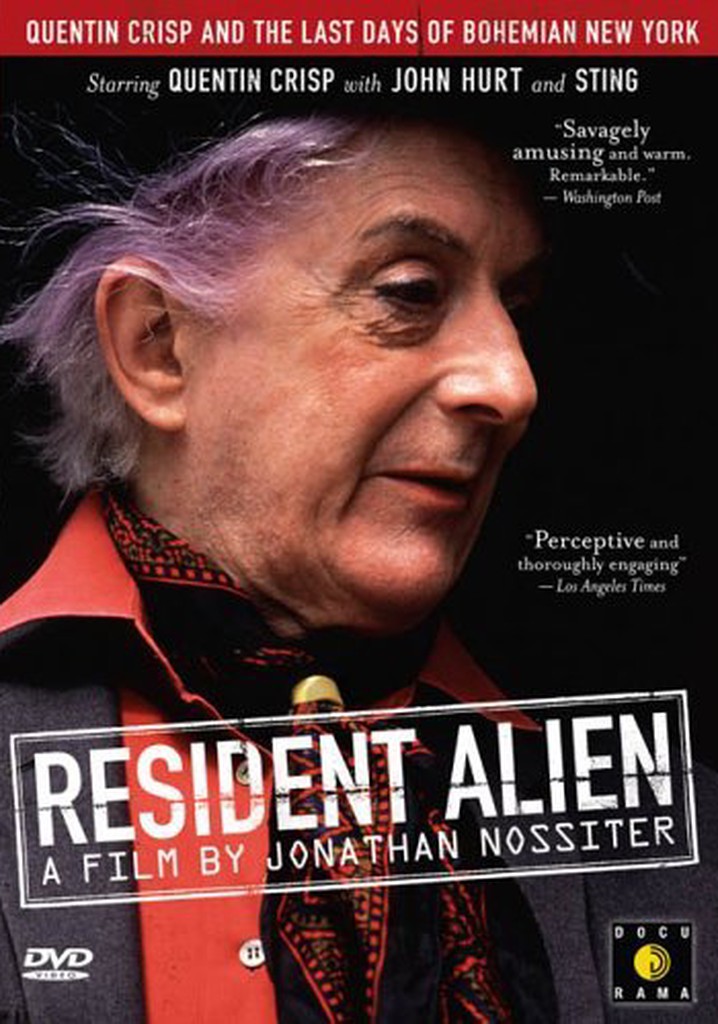
At age 73, writer and melancholy master of the bon mot, Quentin Crisp (1908-1999), became an Englishman in New York. Nossiter's camera follows Crisp about the streets of Manhattan, where Crisp seems very much at home, wearing eye shadow, appearing on a makeshift stage, making and repeating wry observations, talking to John Hurt (who played Crisp in the autobiographical TV movie, "The Naked Civil Servant"), and dining with friends. Others who know Crisp comment on him, on his life as an openly gay man with an effeminate manner, and on his place in the history of gays' social struggle. The portrait that emerges is of one wit and of suffering.
Where to Watch Resident Alien
Use Gatsby to find where to watch Resident Alien (1990) online. This movie page brings together streaming availability, cast details, ratings, and related discovery links in one place.
Watch now by comparing streaming, rental, and purchase options from Prime Video, Amazon Video (Rent), Apple TV (Rent) where they are currently listed for your region.
Frequently Asked Questions
Where can I watch Resident Alien?
Gatsby shows where to watch Resident Alien online, including streaming, rental, and purchase options when availability data is listed for your region.
Is Resident Alien available to stream?
Resident Alien may be available through Prime Video, Amazon Video (Rent), Apple TV (Rent) where those providers are listed.
Who is in the cast of Resident Alien?
The cast section includes Fran Lebowitz, John Hurt, Paul Morrissey, and more, with links to Gatsby cast and filmography pages.
What movies or shows are similar to Resident Alien?
Use the related titles, genre links, and browse pages on Gatsby to find more movies and shows like Resident Alien.
Cast
Episodes
Loading collections...
Resident Alien
Documentary,
LGBTQ
At age 73, writer and melancholy master of the bon mot, Quentin Crisp (1908-1999), became an Englishman in New York. Nossiter's camera follows Crisp about the streets of Manhattan, where Crisp seems very much at home, wearing eye shadow, appearing on a makeshift stage, making and repeating wry observations, talking to John Hurt (who played Crisp in the autobiographical TV movie, "The Naked Civil Servant"), and dining with friends. Others who know Crisp comment on him, on his life as an openly gay man with an effeminate manner, and on his place in the history of gays' social struggle. The portrait that emerges is of one wit and of suffering.
Cast
Episodes
Where to Watch Resident Alien
Use Gatsby to find where to watch Resident Alien (1990) online. This movie page brings together streaming availability, cast details, ratings, and related discovery links in one place.
Watch now by comparing streaming, rental, and purchase options from Prime Video, Amazon Video (Rent), Apple TV (Rent) where they are currently listed for your region.
Frequently Asked Questions
Where can I watch Resident Alien?
Gatsby shows where to watch Resident Alien online, including streaming, rental, and purchase options when availability data is listed for your region.
Is Resident Alien available to stream?
Resident Alien may be available through Prime Video, Amazon Video (Rent), Apple TV (Rent) where those providers are listed.
Who is in the cast of Resident Alien?
The cast section includes Fran Lebowitz, John Hurt, Paul Morrissey, and more, with links to Gatsby cast and filmography pages.
What movies or shows are similar to Resident Alien?
Use the related titles, genre links, and browse pages on Gatsby to find more movies and shows like Resident Alien.
Gatsby Users' Rating
1,632 users

N/A

76%

6.7

N/A
Click to Watch
FREE
No free options
SUB
RENT
BUY
THEA
No in theater options
Episodes
Gatsby Users' Rating
0 reviews
N/A
76%
6.7
N/A
Loading collections...


