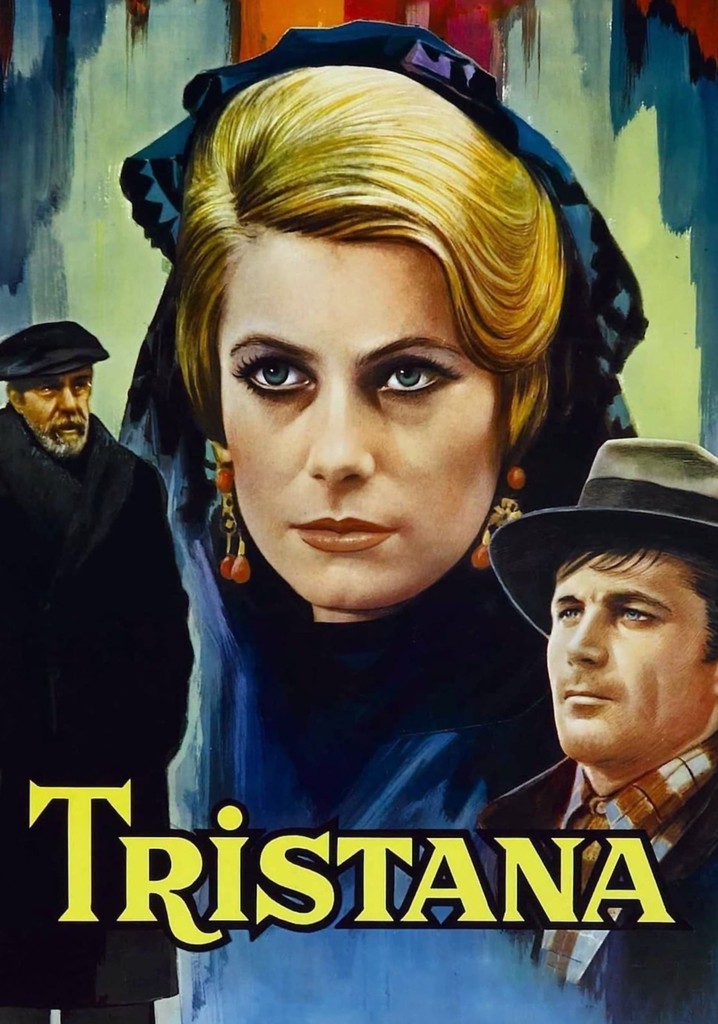
Where to Watch Tristana (1970)
 97%
97% 83%
83%Overall Rating: 97
Comedy
Recommend
Watchlist
Watched unavailable
Click to Watch

FREE
No free options
SUB
No subscription options
RENT
BUY
THEA
No in theater options
Summary
Tristana is a young Spanish woman left to the care of Don Lope, a protective but impoverished aristocrat. Don sells his possessions to avoid manual labor and champions the causes of the dispossessed and downtrodden of society. He takes advantage of the vulnerable Tristana, who leaves him when she falls in love with Horacio. Unable to commit to him, she returns to Don Lope when she falls ill. He asks for her hand in marriage, and she accepts after losing her leg to cancer. She chooses to remain in a passionless union rather than be subject to the harsh realities of a society that refuses to change to the needs of women. Taken from the novel by celebrated author Benito Perez Galdos.
Where to Watch Tristana
Use Gatsby to find where to watch Tristana (1970) online. This movie page brings together streaming availability, cast details, ratings, and related discovery links in one place.
Watch now by comparing streaming, rental, and purchase options from Fandango At Home (Rent), Fandango At Home (Buy) where they are currently listed for your region.
Frequently Asked Questions
Where can I watch Tristana?
Gatsby shows where to watch Tristana online, including streaming, rental, and purchase options when availability data is listed for your region.
Is Tristana available to stream?
Tristana may be available through Fandango At Home (Rent), Fandango At Home (Buy) where those providers are listed.
Who is in the cast of Tristana?
The cast section includes Aldo Sambrell, Franco Nero, Mary Paz Pondal, and more, with links to Gatsby cast and filmography pages.
What movies or shows are similar to Tristana?
Use the related titles, genre links, and browse pages on Gatsby to find more movies and shows like Tristana.
Cast
Episodes
Loading collections...
Tristana
Comedy,
Drama
Tristana is a young Spanish woman left to the care of Don Lope, a protective but impoverished aristocrat. Don sells his possessions to avoid manual labor and champions the causes of the dispossessed and downtrodden of society. He takes advantage of the vulnerable Tristana, who leaves him when she falls in love with Horacio. Unable to commit to him, she returns to Don Lope when she falls ill. He asks for her hand in marriage, and she accepts after losing her leg to cancer. She chooses to remain in a passionless union rather than be subject to the harsh realities of a society that refuses to change to the needs of women. Taken from the novel by celebrated author Benito Perez Galdos.
Cast
Episodes
Where to Watch Tristana
Use Gatsby to find where to watch Tristana (1970) online. This movie page brings together streaming availability, cast details, ratings, and related discovery links in one place.
Watch now by comparing streaming, rental, and purchase options from Fandango At Home (Rent), Fandango At Home (Buy) where they are currently listed for your region.
Frequently Asked Questions
Where can I watch Tristana?
Gatsby shows where to watch Tristana online, including streaming, rental, and purchase options when availability data is listed for your region.
Is Tristana available to stream?
Tristana may be available through Fandango At Home (Rent), Fandango At Home (Buy) where those providers are listed.
Who is in the cast of Tristana?
The cast section includes Aldo Sambrell, Franco Nero, Mary Paz Pondal, and more, with links to Gatsby cast and filmography pages.
What movies or shows are similar to Tristana?
Use the related titles, genre links, and browse pages on Gatsby to find more movies and shows like Tristana.
Gatsby Users' Rating
1,632 users

97%

83%

N/A

N/A
Click to Watch
FREE
No free options
SUB
No subscription options
RENT
BUY
THEA
No in theater options
Episodes
Gatsby Users' Rating
0 reviews
97%
83%
N/A
N/A
Loading collections...


