Where to Watch Kraft Suspense Theatre (1963)
 N/A
N/A N/A
N/AOverall Rating: 7.7
Crime
Recommend
Watchlist
Watched unavailable
Click to Watch
FREE
SUB
RENT
BUY
THEA
Summary
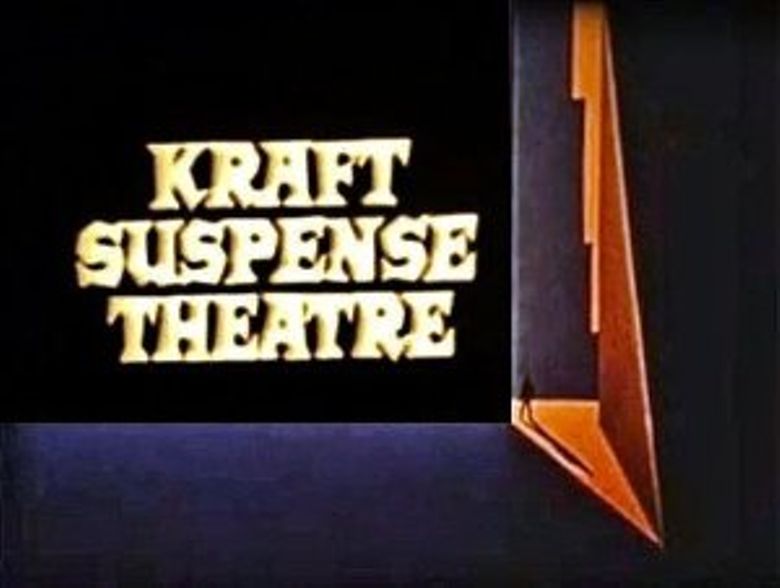
Kraft Suspense Theatre is an American anthology series that was telecast from 1963 to 1965 on NBC. Sponsored by Kraft Foods, it was seen three weeks out of every four and was pre-empted for Perry Como's Kraft Music Hall specials once monthly. Como's production company, Roncom Films, also produced Kraft Suspense Theatre. Writer, editor, critic and radio playwright Anthony Boucher served as consultant on the series. Later syndicated under the title Crisis, it was one of the few suspense series telecast in color at the time. While most of NBC's shows were in color then, all-color network line-ups did not become the norm until the 1966-67 season.
Where to Watch Kraft Suspense Theatre
Use Gatsby to find where to watch Kraft Suspense Theatre (1963) online. This TV show page brings together streaming availability, cast details, ratings, and related discovery links in one place.
Watch now options for streaming, rental, and purchase are shown when current availability data is available for your region.
Frequently Asked Questions
Where can I watch Kraft Suspense Theatre?
Gatsby shows where to watch Kraft Suspense Theatre online, including streaming, rental, and purchase options when availability data is listed for your region.
Is Kraft Suspense Theatre available to stream?
Streaming availability for Kraft Suspense Theatre is shown when Gatsby has current provider data.
Who is in the cast of Kraft Suspense Theatre?
The cast section includes Mary Wickes, Katharine Ross, Pippa Scott, and more, with links to Gatsby cast and filmography pages.
What movies or shows are similar to Kraft Suspense Theatre?
Use the related titles, genre links, and browse pages on Gatsby to find more movies and shows like Kraft Suspense Theatre.
Cast
Episodes
Loading collections...
Kraft Suspense Theatre
Crime,
Drama
Kraft Suspense Theatre is an American anthology series that was telecast from 1963 to 1965 on NBC. Sponsored by Kraft Foods, it was seen three weeks out of every four and was pre-empted for Perry Como's Kraft Music Hall specials once monthly. Como's production company, Roncom Films, also produced Kraft Suspense Theatre. Writer, editor, critic and radio playwright Anthony Boucher served as consultant on the series. Later syndicated under the title Crisis, it was one of the few suspense series telecast in color at the time. While most of NBC's shows were in color then, all-color network line-ups did not become the norm until the 1966-67 season.
Cast
Episodes
Where to Watch Kraft Suspense Theatre
Use Gatsby to find where to watch Kraft Suspense Theatre (1963) online. This TV show page brings together streaming availability, cast details, ratings, and related discovery links in one place.
Watch now options for streaming, rental, and purchase are shown when current availability data is available for your region.
Frequently Asked Questions
Where can I watch Kraft Suspense Theatre?
Gatsby shows where to watch Kraft Suspense Theatre online, including streaming, rental, and purchase options when availability data is listed for your region.
Is Kraft Suspense Theatre available to stream?
Streaming availability for Kraft Suspense Theatre is shown when Gatsby has current provider data.
Who is in the cast of Kraft Suspense Theatre?
The cast section includes Mary Wickes, Katharine Ross, Pippa Scott, and more, with links to Gatsby cast and filmography pages.
What movies or shows are similar to Kraft Suspense Theatre?
Use the related titles, genre links, and browse pages on Gatsby to find more movies and shows like Kraft Suspense Theatre.
Gatsby Users' Rating
1,632 users

N/A

N/A

7.7

N/A
Click to Watch
FREE
SUB
RENT
BUY
THEA
Episodes
Gatsby Users' Rating
0 reviews
N/A
N/A
7.7
N/A
Loading collections...


